
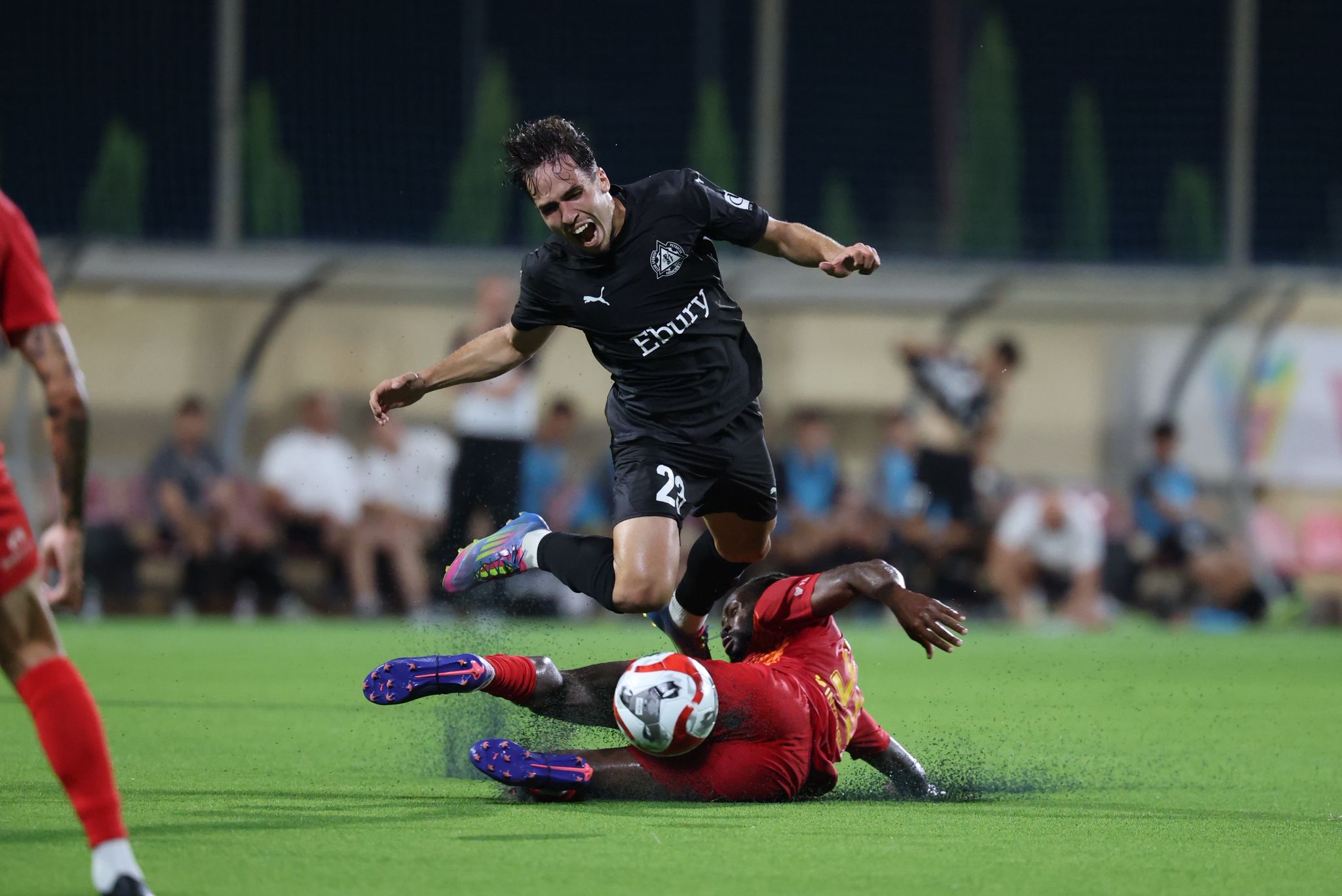
Birkirkara could not replicate their first-leg heroics against FC Petrocub, as three unanswered goals from the Moldovan side ended the Stripes’ UEFA Conference League journey in the first qualifying round.
After securing a narrow 1-0 win at the Centenary Stadium, it was vital for the Stripes to produce a disciplined and compact performance while identifying moments to hurt FC Petrocub on the break.
However, where Birkirkara fell short in the second leg was in their pressing, especially in midfield, where a lack of intensity and structure allowed FC Petrocub to control proceedings.
The hosts dominated the first half, enjoying 79% possession. It was a clear reflection of their grip on the game. Much of this control stemmed from their ability to bypass Birkirkara’s press, which was looser and less coordinated than it had been in the first leg.
Coach Stefano De Angelis made one change to his starting formation, with Kemar Reid replacing Lucas Macula. Reid’s pace on the counter likely influenced this decision, as Birkirkara looked to exploit transitions.
While the system remained a 3-4-3 on paper, in practice the Stripes played closer to a 5-3-2/3-5-2 (most importantly, it was a three-man midfield line), with Geoffrey Acheampong starting alongside Donovan Makoma and Alexander Satariano in midfield.
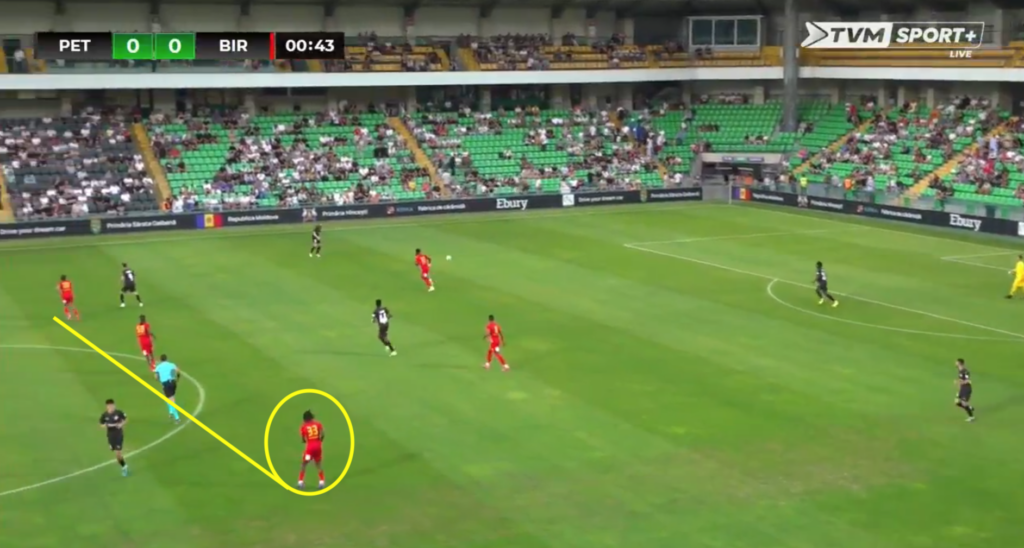
Birkirkara’s pressing structure saw Donovan Makoma tasked with marking the dropping pivot from FC Petrocub’s midfield line, a man-oriented strategy aimed at disrupting their build-up.
Up front, Franklin Sasere and Reid were assigned to press the wide central defenders, allowing the middle centre-back more time on the ball, possibly an instruction to channel play through the midfield where FC Petrocub would encounter Birkirkara’s mid-block marking.
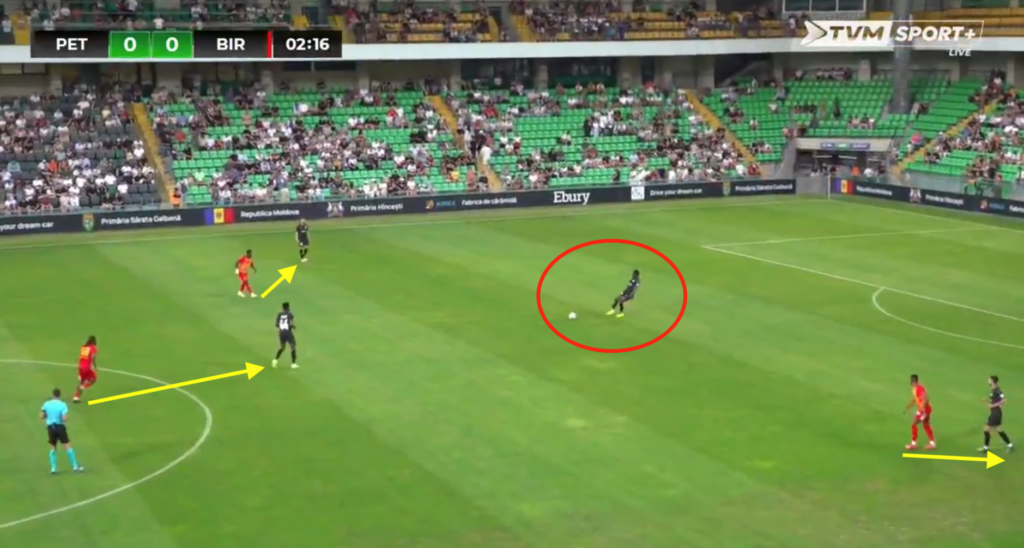
Despite this, FC Petrocub consistently found solutions. They targeted the flanks effectively, playing early balls into the box and creating overloads wide.
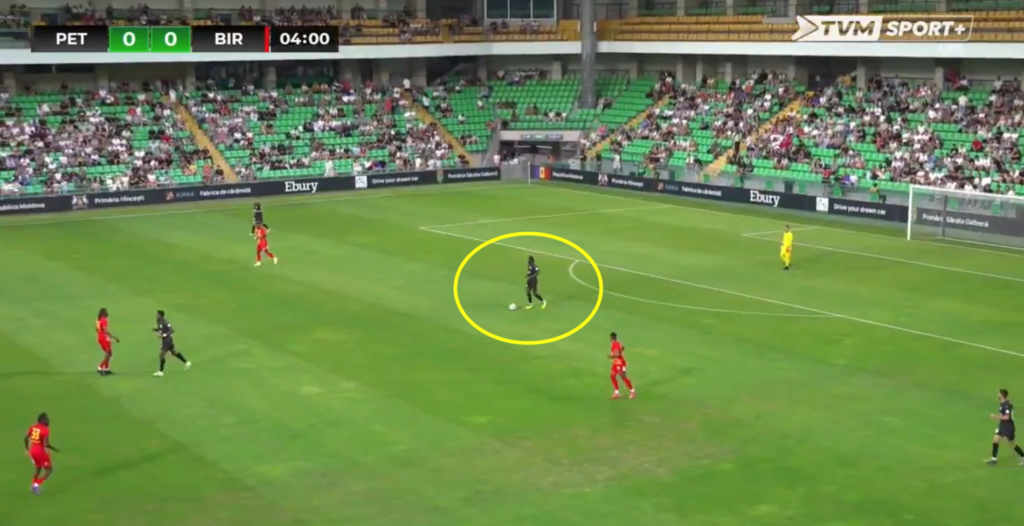
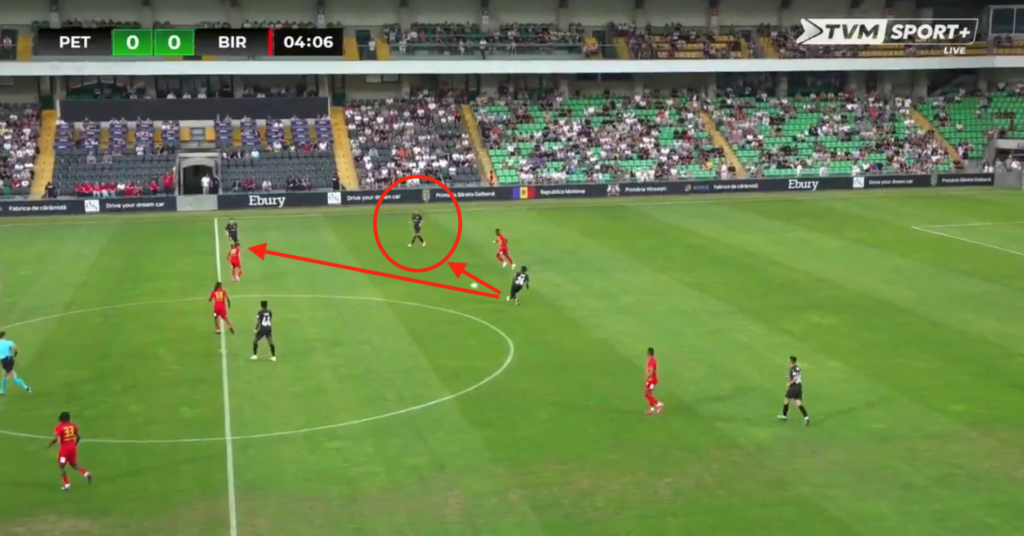
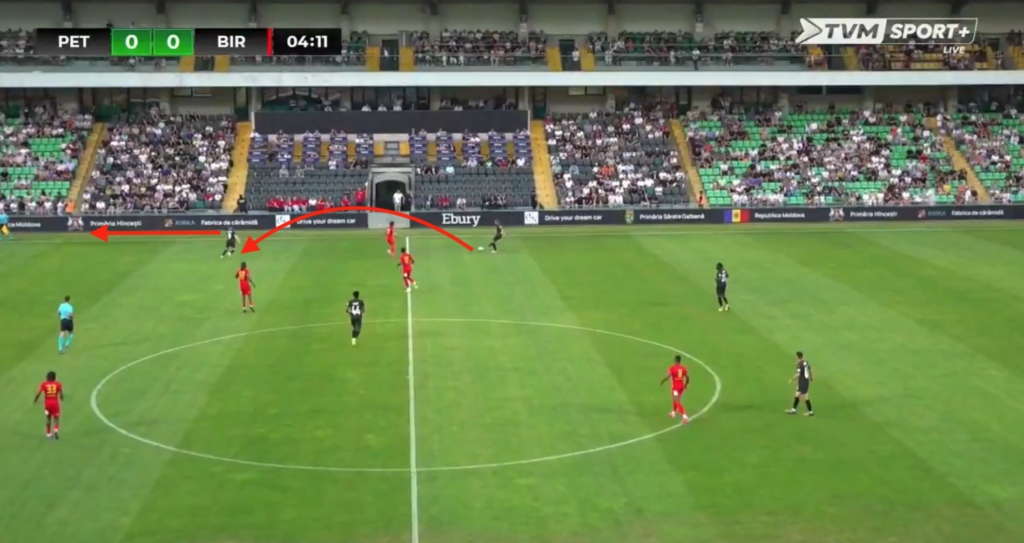
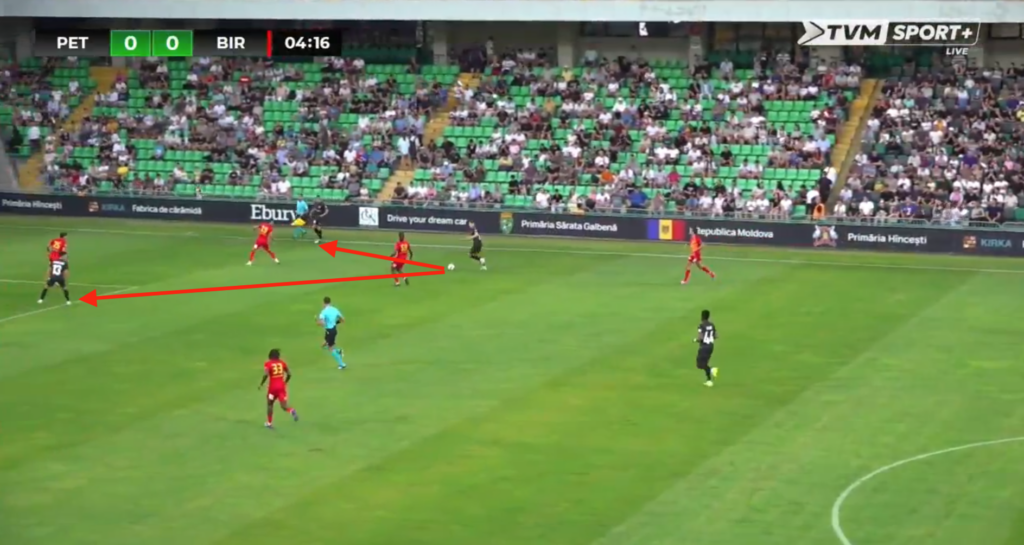
They also exploited the ‘third-man run’ concept – drawing pressure to one midfielder, who then released another midfielder, breaking through Birkirkara’s midfield line.
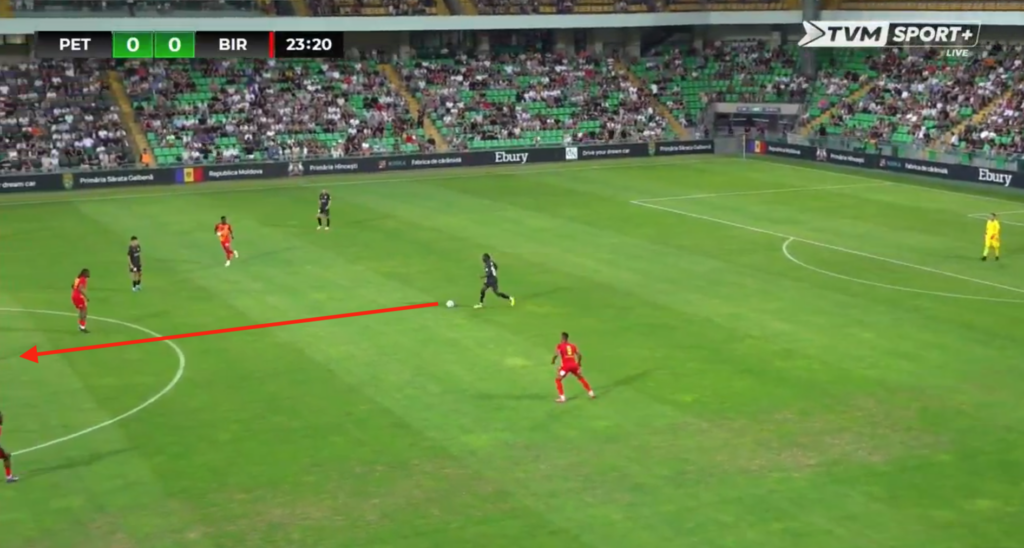
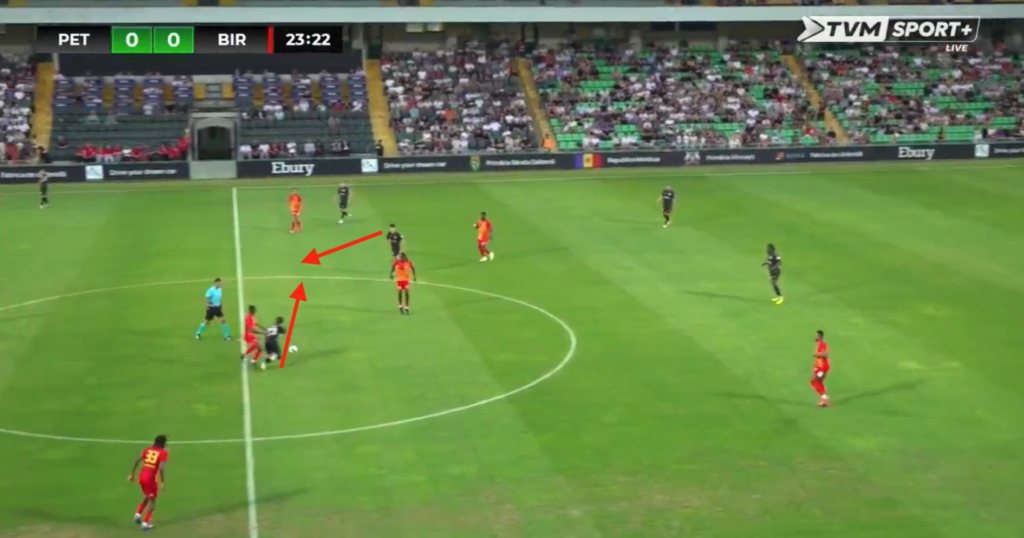
Defensively, Petrocub imposed a high press of their own, which forced Birkirkara into long balls toward Sasere during the first half.
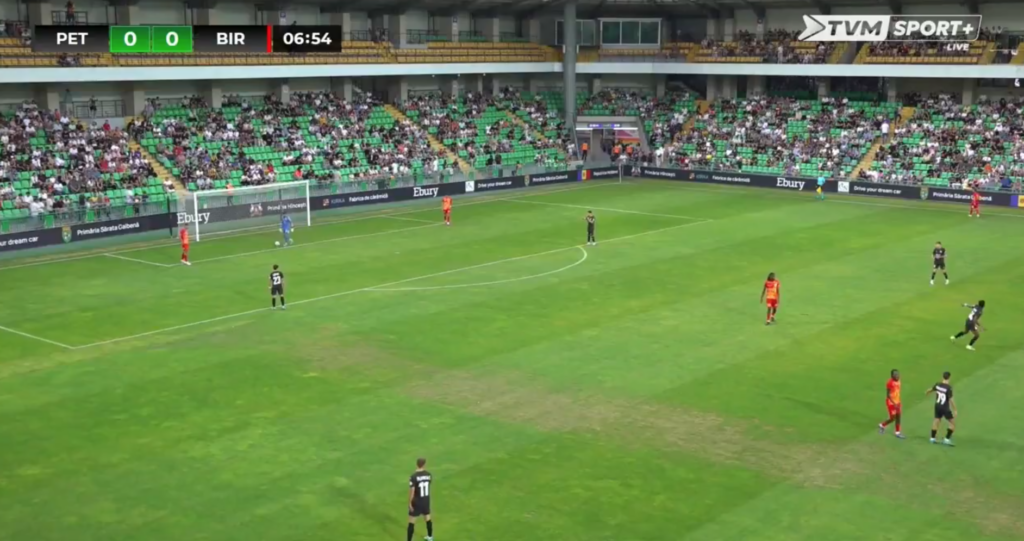
After conceding the opener, Birkirkara tried to show more bravery in possession in the second half, attempting to build from the back despite continued pressure.
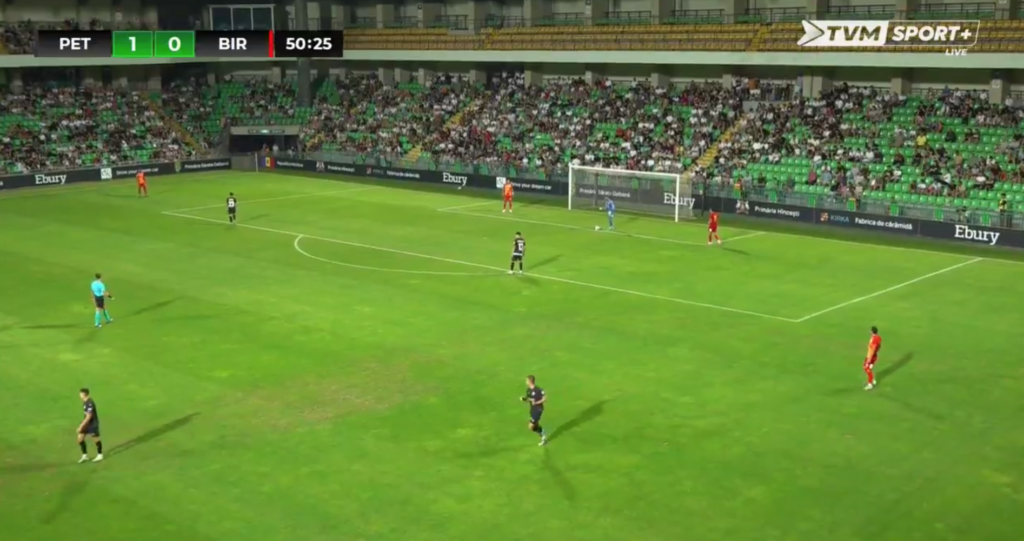
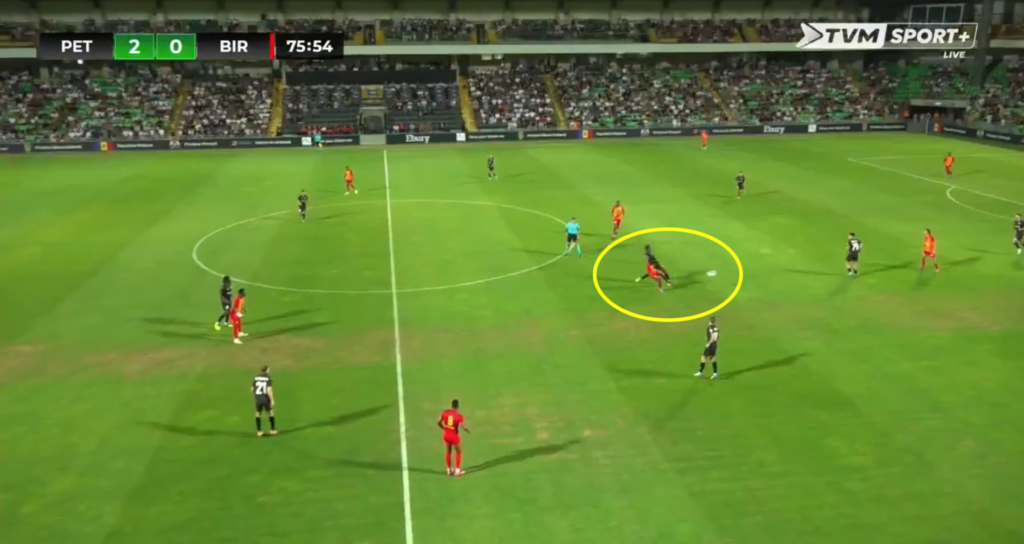
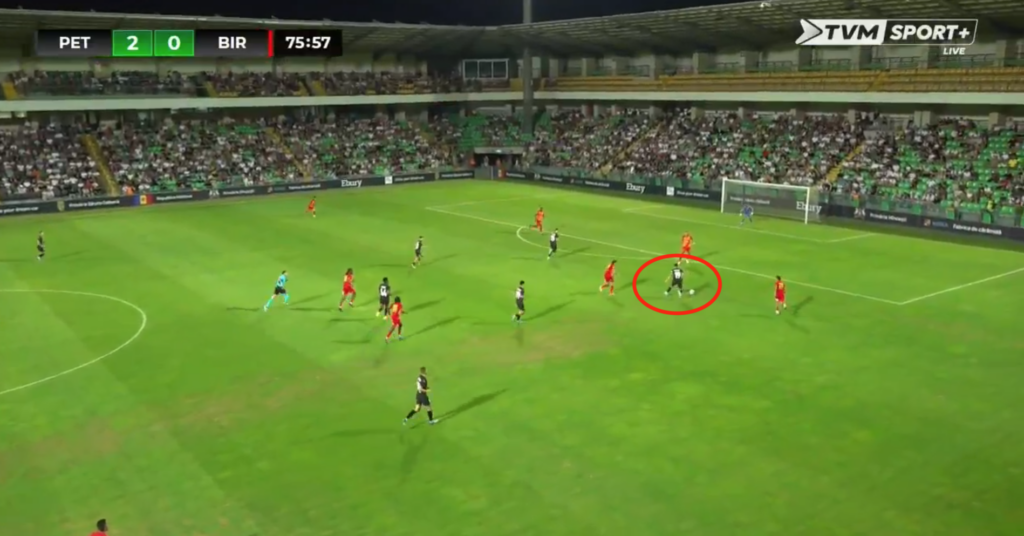
Yet FC Petrocub’s second goal was a blow. It was a well-orchestrated move, beginning with their goalkeeper and culminating in a clinical finish after quick combinations, dribbling, and a switch of play.
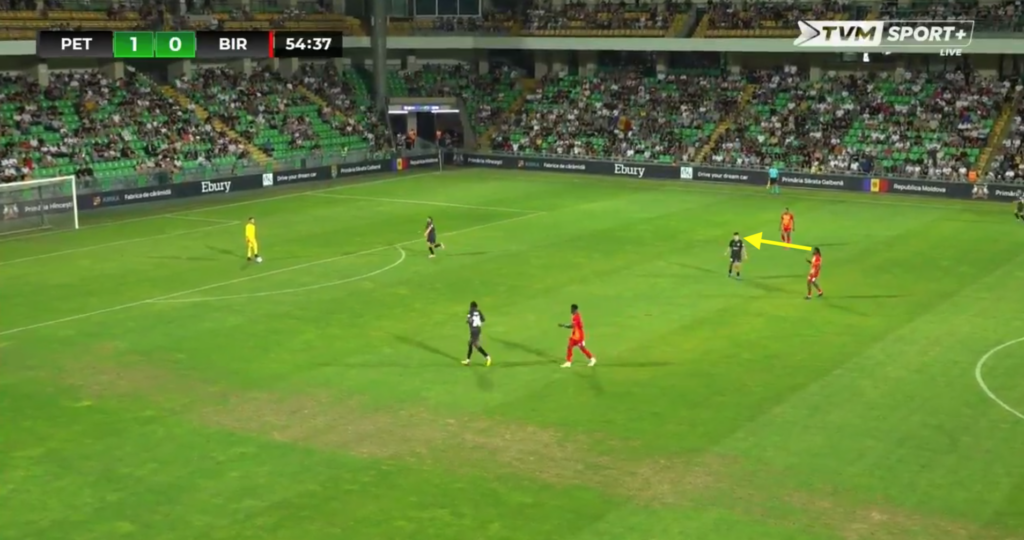
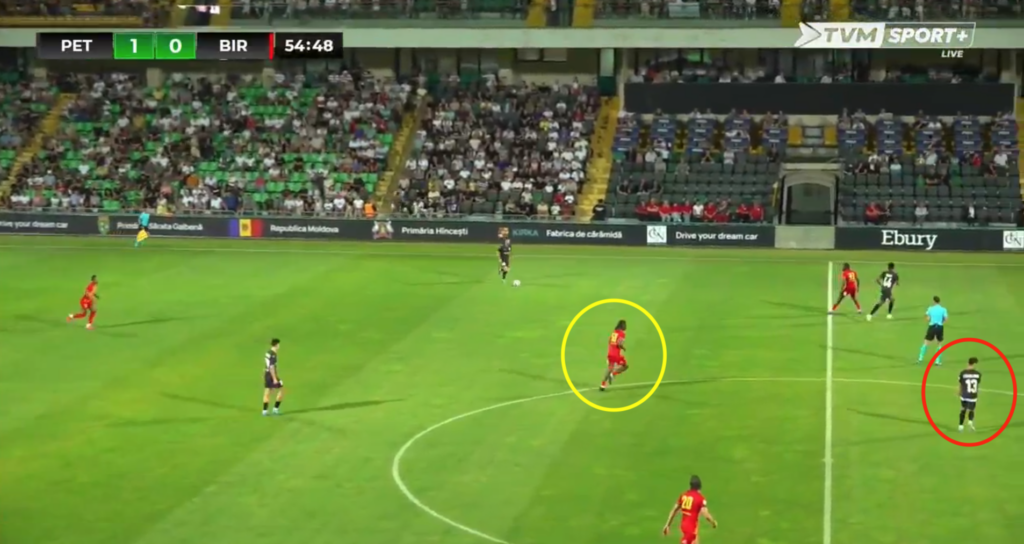
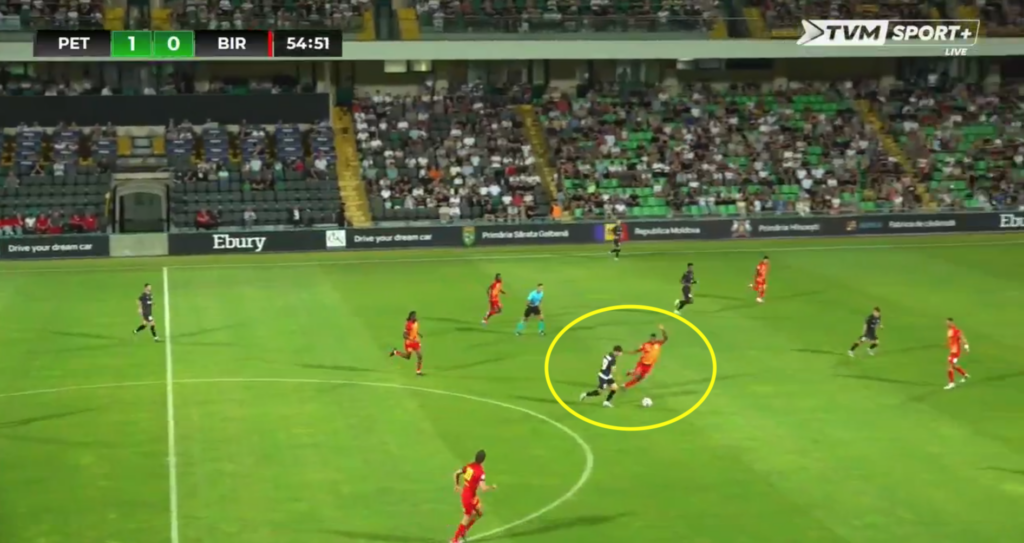
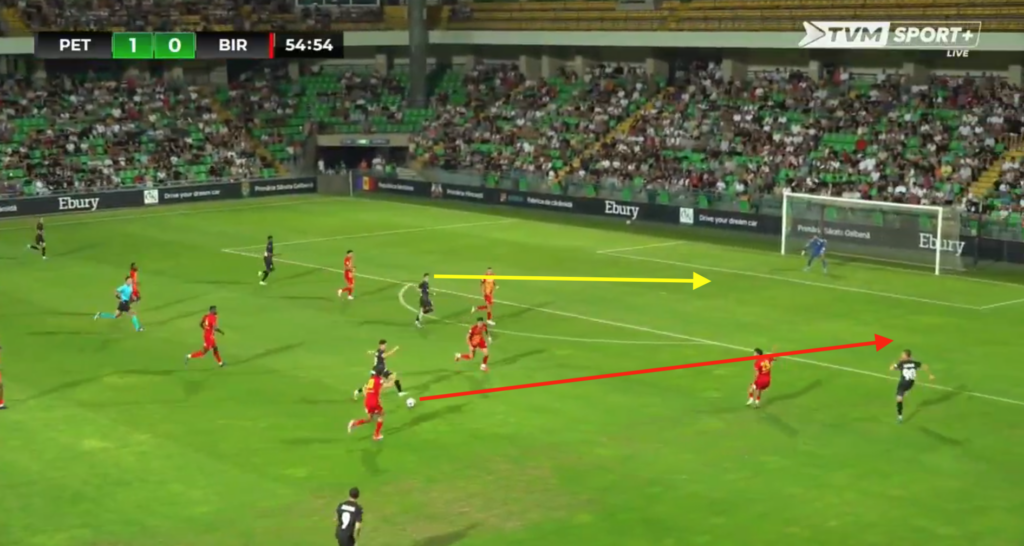
In response, Birkirkara introduced Macula and switched to a 4-4-2 formation, moving Reid to the wing.
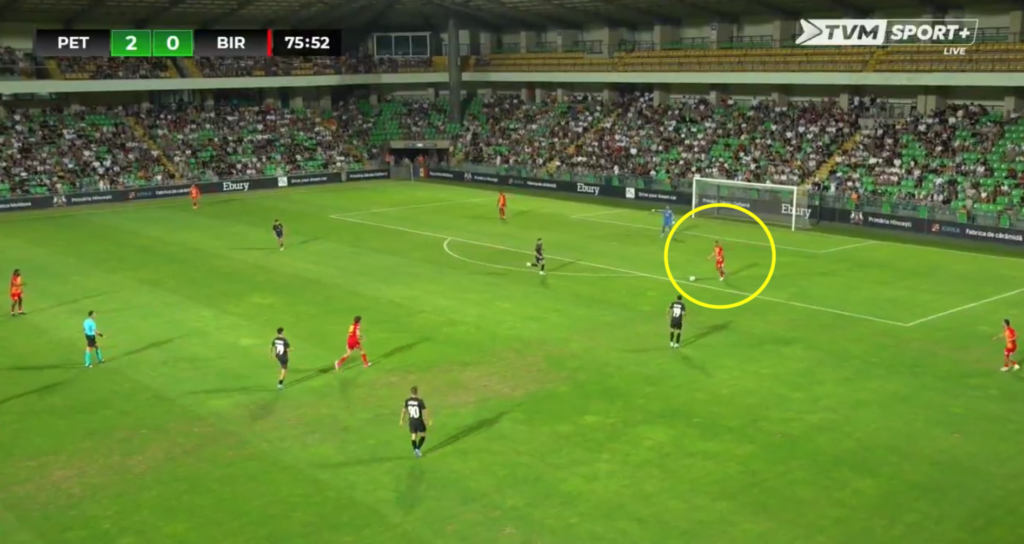
Still, it was the hosts who struck next, punishing another midfield error to seal their progression.
Author


















NP
July 19, 2025 at 11:08 am
very good tactical analysis.. i suggest to keep on doing more of these analysis