In its contribution to the European Commission’s forthcoming long-term strategy for sport and physical activity, the European Parliament approved the resolution on ‘The Role of EU Policies in Strengthening the European Sports Model’ with 552 votes in favour, 52 against, and 35 abstentions on Tuesday.
Both UEFA and the European Leagues Association welcomed the adoption of the report and resolution.
The resolution calls on all international and national sports organisations to improve governance, transparency, and accountability. MEPs are urging federations, clubs, and leagues to involve fans, athletes, and persons with disabilities in decision-making processes, while addressing the “persistent under-representation of women in leadership positions.”
Beyond traditional challenges such as ‘governance issues, corruption, match-fixing, doping, online piracy, discrimination, and excessive commercialisation’, Members of Parliament want the Commission to monitor new threats to European sport.
In particular, MEPs have requested that the Commission assess the impact of foreign investment and multi-club ownership on financial integrity and competitive balance. They also insist that domestic competitive matches should not be played abroad, and that clubs must be required to release players for national team duties.
Additionally, the European Parliament has called on the Commission to provide clear guidelines on how EU law applies to the sports sector, particularly in light of recent European Court of Justice (CJEU) rulings concerning athlete rights and competition law.
For the first time, the Parliament has explicitly affirmed that occupational health and safety regulations apply to professional athletes. MEPs are calling for “proactive risk management in developing and overseeing occupational safety and health policies, including factors such as travel, match calendars, and overlapping competitions,” directly addressing the growing workload crisis faced by players today.
Other priorities highlighted include social protection, solidarity, fair resource distribution, protection of minors, regulation of intermediaries, and support for dual careers, lifelong learning, mental health, and post-retirement transitions for athletes.
“These challenges affect many sporting disciplines, and their scale and complexity is growing, thereby testing the resilience of the ‘European Sport Model’. This report serves as a call to action. Its timing is critical, as the European Commission is preparing to present its long-term strategy for European sports policy next year,” rapporteur Bogdan Andrzej Zdrojewski said.
“Promoting and supporting sport at all levels is essential, not only for the success of professional competitions but also for fostering a healthier, more active society.”
A consultation held on March 18, 2025 brought together the European Committee of the Regions, sports federations, teams, and other stakeholders, helping to shape the framework of the European Sports Model. The sports sector contributes 2.12% to the EU’s GDP and provides jobs to nearly six million people.
UEFA, European Leagues welcome resolution
UEFA described the resolution as “a clear commitment to protect and strengthen the principles that define football in Europe – solidarity, open competitions, sporting merit, sustainability, inclusiveness, integrity and territoriality.”
The organisation said the initiative aligns the EU Parliament “strongly with UEFA’s vision for the future,” stressing merit-based qualification for international competitions and balance between club and national team football.
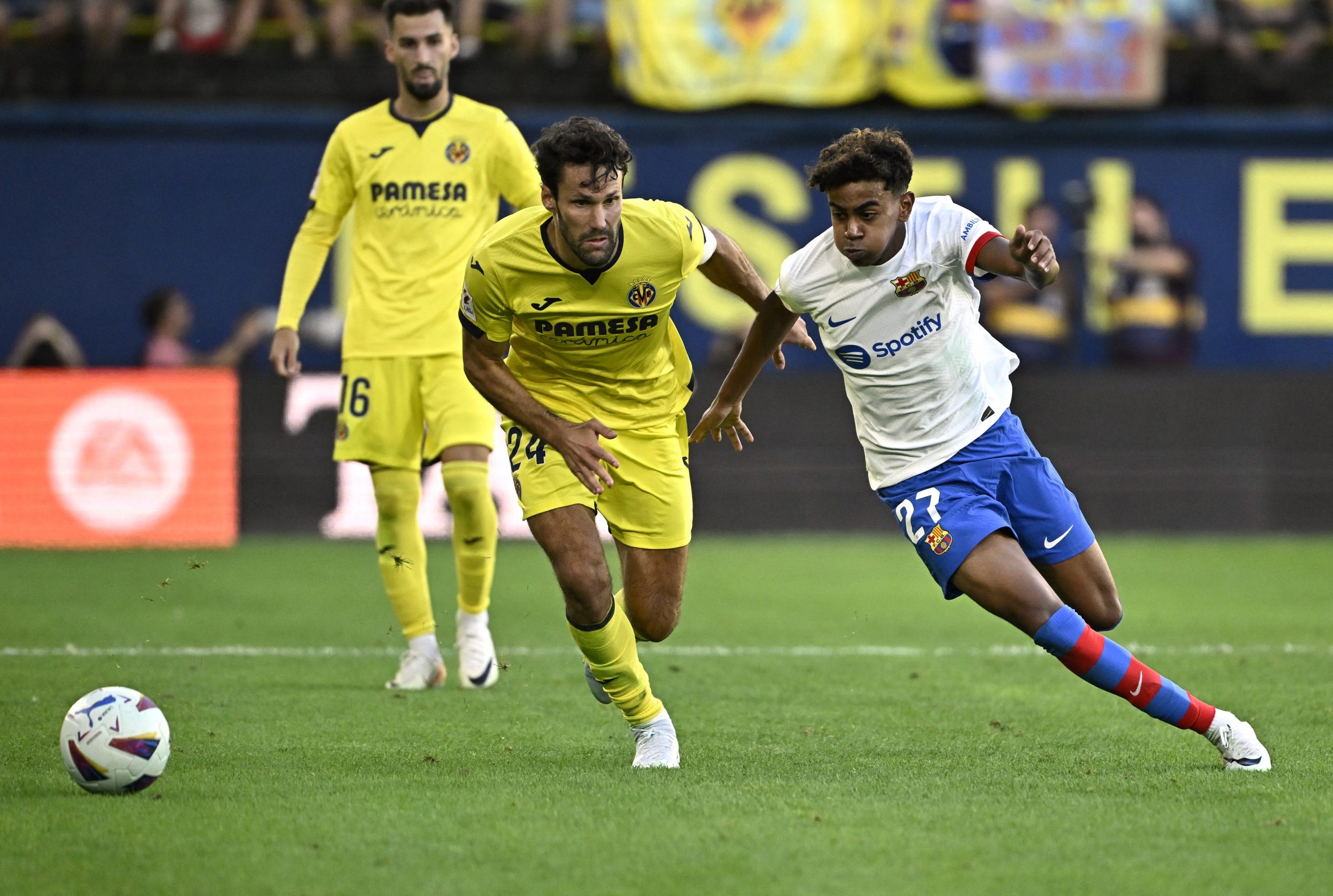
With UEFA having reluctantly approved the playing of LaLiga’s Barcelona vs Villarreal and Serie A’s Milan vs Como fixtures on different continents this week, the resolution again underscores Europe’s resistance to moving domestic matches abroad.
“The European Parliament has once again delivered a clear and powerful message on behalf of EU citizens. Europe stands up for its football model, which serves society as a whole, not just the profit of a few,” UEFA President Aleksander Čeferin said.
“Football is a unique European success story. It is now time for the EU and national governments to further support it by providing the safeguards needed to ensure it continues to lead globally while staying rooted in communities.”
The European Leagues echoed this sentiment, saying the resolution “encourages further steps to strengthen stakeholder representation in decision-making, while calling on the European Commission to promote social dialogue in sport as a key decision-making process.”
They also reiterated the call for the Commission to “provide clear guidelines on the application of EU law, including competition law, to the sports sector, also in light of recent judgments of the CJEU.”
The European Leagues and FIFPRO Europe have filed a complaint with the Commission against FIFA, arguing that FIFA’s dual role as governing body and competition organiser represents a conflict of interest, using regulatory powers to promote commercial interests “at the expense of social partners and the European game.”
“Today’s vote of the European Parliament represents a wake-up call for the football industry, which is currently facing multiple challenges, but also a unique opportunity for European Institutions and football stakeholders to reshape the future governance of our sport in full compliance with EU law,” said European Leagues president Claudius Schäfer.
“We encourage all our Member Leagues, their clubs, and other football stakeholders – including National Associations represented in international bodies – to work together to implement the principles reflected in this resolution.”
“A Defining Moment for Player Welfare” – FIFPRO Europe
“This is a defining moment for player welfare and player rights,” said David Terrier, president of FIFPRO Europe.
“For too long, players’ health and safety concerns have been sidelined in calendar decisions. The European Parliament has sent a clear call for action: players are workers, and their wellbeing must be protected under the same health standards that protect every other worker in Europe. Match calendars have become unsustainable, and this recognition by Members of the European Parliament shows that asks to protect player health and decision-making rights are not only common sense but also a legal requirement.”