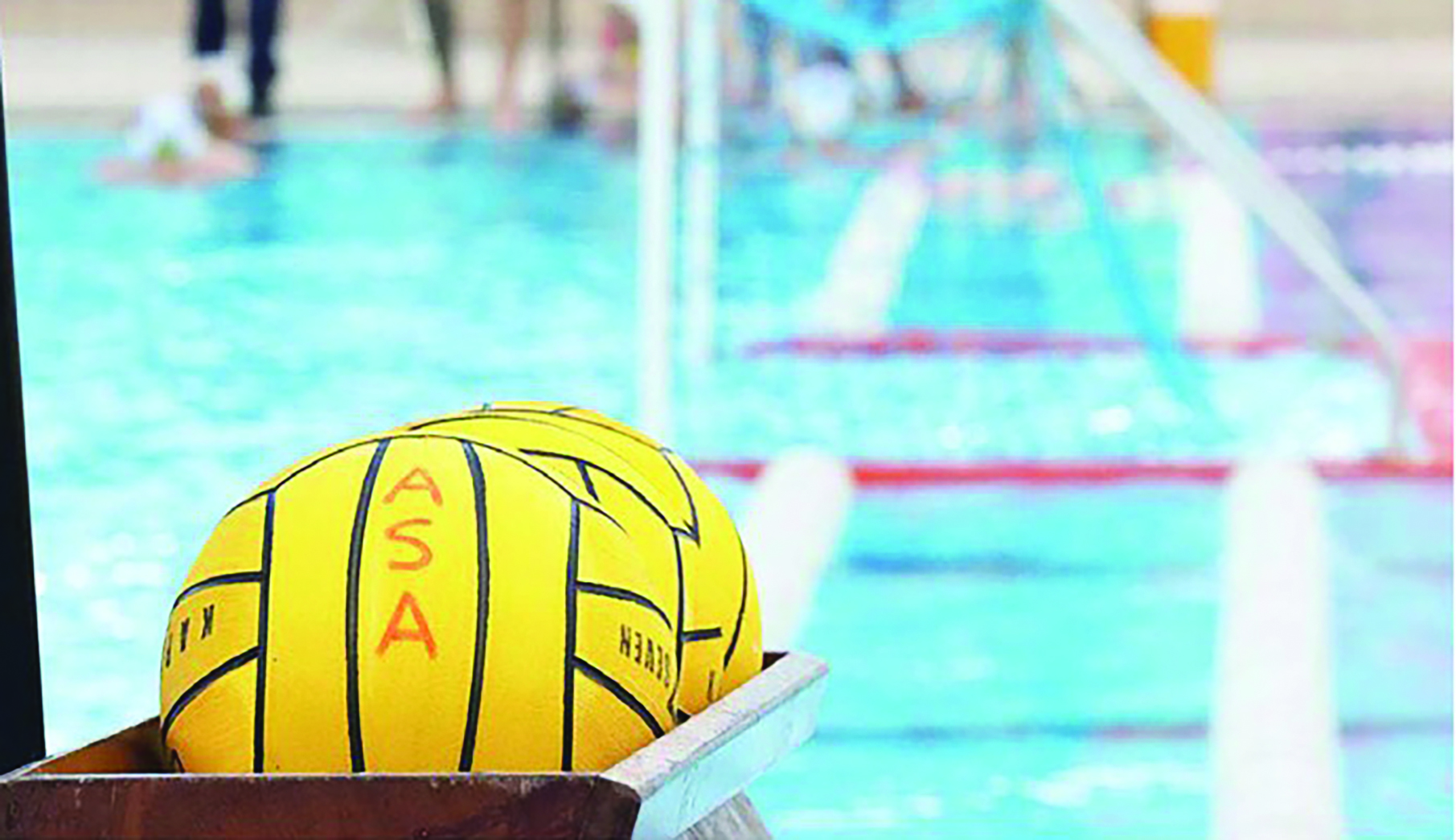
Earlier this month, the Maltese sporting community and beyond was rocked with the news that a number of national waterpolo players, who were playing at the European Championship in Belgrade, are being investigated for allegedly betting on their own matches.
It has since transpired that the investigation was triggered after insiders came forward claiming they witnessed alleged betting activity or overheard players discussing how it was carried out.
Unlike other crimes, where being a silent witness might not necessarily be a crime, not reporting match-fixing offences is a criminal offence and could also potentially give rise to an offence under the applicable national federation’s statute.
In Malta, the duty to report is found under Article 5 of the Prevention of Corruption in Sport Act (Chapter 593 of the Laws of Malta), which was enacted in 2018.
Article 5(1) of the Act states that any person who knows, whether verbally, in writing, or otherwise, that an offence has been committed concerning the manipulation of a sporting event, shall communicate such knowledge to the Commissioner of Police within a period of 14 days from when such person became aware of such fact.
The duty to report is not just applicable to an athlete/coach/referee who has been approached to fix a sporting event, but is also applicable to persons who are not directly involved in the sporting event concerned.
Any person who has knowledge concerning the manipulation of a sporting event and fails to report this to the Commissioner of Police within such period shall be guilty of an offence and shall be liable to a fine (multa) between €2,500 and €25,000, and/or up to one year in prison.
Furthermore, this offence is subject to an aggravating circumstance clause if such a person who fails to report is an official, an athlete, or a staff member of a sports organization.
The intention of the legislator behind this provision of law is to treat the witness not merely as a bystander, but as a guardian of public order.
Whilst the applicable legal provision is robust on paper, several factors complicate its effectiveness in reality.
At the forefront is the fact that the law requires reporting based on “knowledge” whereby unless the “knowledge” criteria are fulfilled, the duty to report does not arise.
However, the law fails to define what constitutes “knowledge” in the eyes of the law, thus creating a lacuna between what can be seen as being merely a suspicion and what qualifies as “knowledge”.
Knowledge has a higher bar than suspicion, since it implies a degree of certainty or direct information about a specific corrupt act (for example, being told about a fix or witnessing an arrangement).
This ambiguity leaves honest athletes in a legal limbo, not clearly knowing when a “bad feeling” about a teammate’s performance becomes “knowledge”?
This lacuna leaves those who are affected by this provision fearing prosecution for not reporting a hunch.
Another major stumbling block when it comes to the duty to report is the fact that Malta is a small jurisdiction where “everyone knows everyone.”
Unfortunately, the Act does not provide for automatic witness anonymity or a specialized witness protection program tailored for sports corruption.
As a result, the fear of retaliation or social ostracisation often outweighs the fear of a fine and/or imprisonment, potentially resulting in offences of manipulation of sports competitions going unreported and thus not investigated.
Without anonymity, the 14-day deadline feels more like a threat than an invitation to do the right thing and report such knowledge.
Such knowledge could actually make the difference between the prosecution obtaining a successful conviction and a suspected offender escaping punishment.
A final stumbling block when it comes to prosecuting manipulation of sport competition offences is to determine the exact moment when a person has come across the knowledge that triggers off the 14-day reporting obligation.
Unless there is digital evidence, such as a timestamped message, proving the exact moment when a person has obtained such knowledge, is hard to prove.
Whilst the Prevention of Corruption in Sport Act modernised Malta’s legislation when it comes to combating the manipulation of sports competitions by giving the prosecution more teeth to prosecute and widening the jurisdiction of the Maltese court, at the same time, it unfortunately failed to give whistleblowers the safety net they need to report safely and securely.
If we truly want our sport to be free from manipulation, we must not just look at having hefty fines (multa) or long prison terms alone, but we also need to introduce a system that protects the person holding the whistle as much as it punishes the person holding the bribe.
It is high time for the authorities to move beyond the 14-day ultimatum and create a truly safe, anonymous pathway for integrity to prevail.
NOTE Dr. Robert Dingli is a sports lawyer and Partner at Dingli & Dingli Law Firm