It forces Maltese football to confront a difficult but necessary question: after nearly 16 years under the same leadership influence, where is the progress?
This is not about players or coaches. They operate within the structures provided to them. The responsibility lies directly with the leadership at the helm, whose decisions, influence, and long-term oversight have shaped Maltese football for nearly 16 years. After such a period, it is reasonable and necessary to assess outcomes.
Sixteen years is more than enough time to plan, implement, and measure progress.
Yet, despite repeated campaigns and promises, Malta’s national team shows little sign of advancement.
The UEFA Nations League was introduced to give smaller nations a competitive pathway. This was Malta’s fourth participation, and once again, there was no promotion, no breakthrough, and no evidence that the gap with similarly sized nations is narrowing. Enough talk, leadership must produce tangible, measurable results.
For years, top officials have highlighted investment in facilities, national teams, and development programs. Investment is essential, but it must be judged by results, not by reports alone.
Financial accounts recently showed a small surplus after deliberate cost control, yet this follows a long period of deficits, including a €5.6 million shortfall that drew scrutiny from auditors.
All these funds were spent, but the question every supporter asks remains: after so much money, where is the progress? Years of spending have produced reports, but not results on the pitch or in player development.
Excuses continue to pile up. The latest points to reduced playing time for Maltese players in the domestic league.
But this is not a cause; it is a symptom of decades of neglect. After nearly 16 years of influence at the top, the structures that should produce talented, match-ready players simply do not exist.
Relying on players of Maltese descent from abroad may temporarily fill gaps, but it is no substitute for a domestic system that works.
Youth academies, nationwide development programmes, professional pathways, and consistent competitive opportunities are still largely absent. Attend a youth league match, and the evidence is clear that young players do not receive the sustained support and opportunities required to reach their potential.
Research in football development is clear. Nations that succeed invest early, continuously, and structurally in youth.
They provide competitive environments, quality infrastructure, and clear pathways to professional football. Malta has promised this for years, yet what exists is fragmented at best.
Leadership has failed to prioritise the future, and the national team now pays the price.
The contrast within Maltese football is striking.
In less than three years since the restructuring of the Malta Premier League (MPL), the domestic league has transformed into a professional, commercially aware, and increasingly marketable competition.
Clubs now operate under clearer structures, improved financial planning, and stronger commercial foresight.
Sponsorship has increased not by chance, but because the league offers visibility, structure, and credibility. From enhanced digital engagement to matchday presentation and broadcast consistency, the league has become easier to showcase.
This progress is measurable.
Sponsorship deals, branding initiatives, and strategic partnerships have grown. Attendance figures and online engagement are trending upwards.
Players enjoy greater exposure, and the league projects professionalism and upward momentum. It is not yet perfect, but all indicators suggest it will continue to grow and strengthen in the coming years.
Now consider this: the same leadership has influenced Maltese football for nearly 16 years also oversaw the Premier League for much of that period. Before the MPL restructuring, the league lacked commercial identity, branding, and sponsor engagement.
Clubs were often treated as peripheral or even competitors, rather than the primary talent incubators for the national team. ]
I know for a fact that the MFA viewed the Premier League as a cost and a burden rather than an opportunity for investment that would ultimately have strengthened the national team.
Investment in clubs was superficial and inconsistent, producing minimal tangible outcomes. The domestic game and youth setups within the clubs were overlooked.
The MPL’s success shows what focused leadership and strategic vision can achieve. Credibility, professionalism, and momentum built in a few years, where the national system has struggled for nearly two decades.
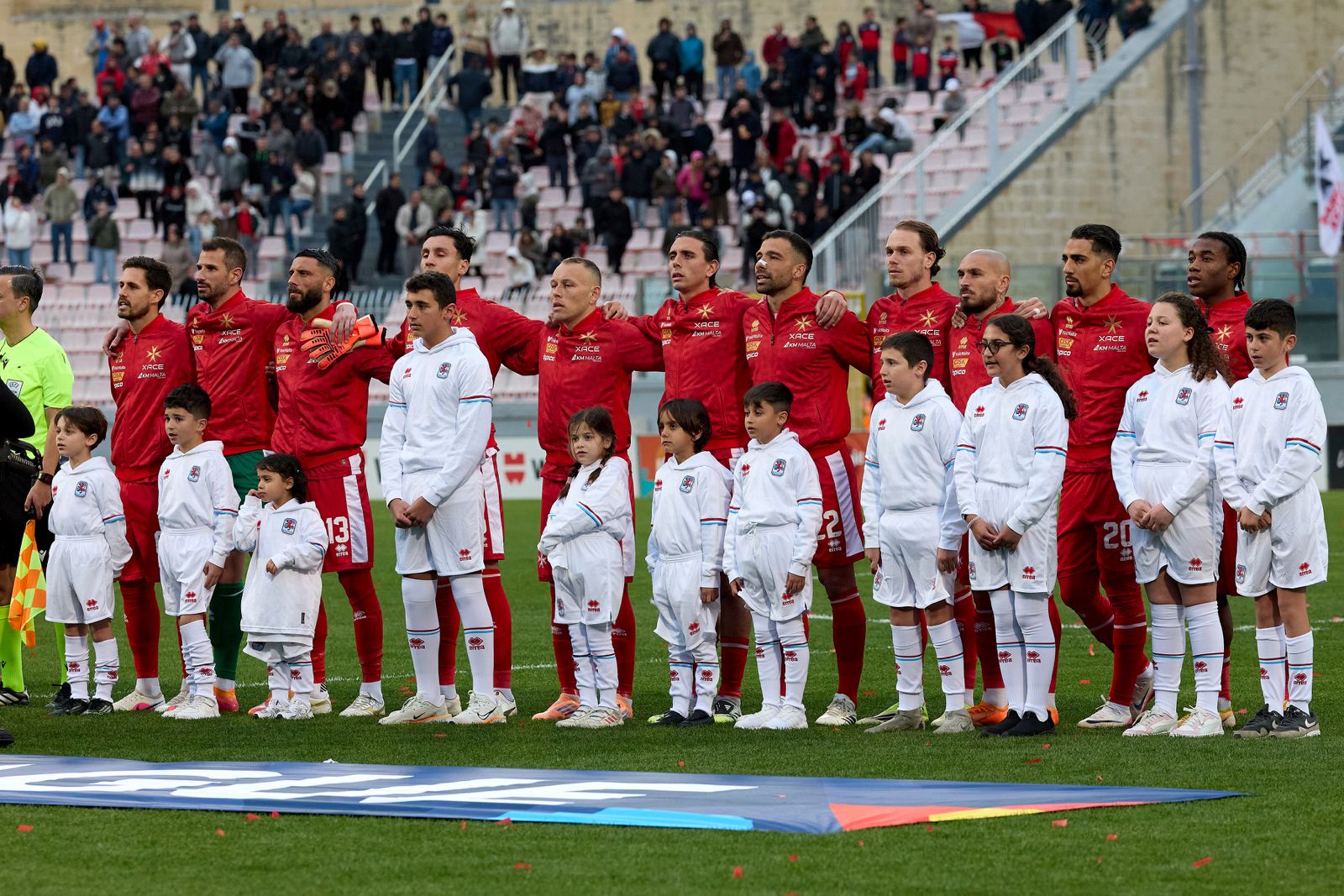
Malta’s 5-0 aggregate defeat to Luxembourg is a blunt reminder that rhetoric is no longer enough.
A national team is not just about results, it is about identity, exposure, and commercial potential. Competitive performance attracts sponsors, media coverage, and community engagement. Without measurable progress, these opportunities remain limited, and football risks stagnation.
The current situation exposes a wider structural problem. While other small nations use tournaments like the Nations League to build momentum, Malta lags.
Fans see repeated disappointment, sponsors hesitate to invest in a team without an upward
trajectory, and young players witness a system that struggles to deliver pathways to international competition.
Leadership must understand that football today is both a sport and a platform. On the sport side, results matter, performances that inspire pride, and development pathways that consistently produce capable players.
On the platform side, professionalism, commercial strategy, branding, and engagement turn football into a sustainable, respected product.
Other nations with similar resources have shown that targeted investment in youth, coaching infrastructure, and competitive exposure can transform performance and perception. Malta’s repeated underperformance in the Nations League shows that leadership has failed to translate rhetoric into measurable outcomes.
The focus must shift from excuses to accountability, from planning to execution, and from promises to results.
After nearly 16 years of influence, why is the national team still unable to compete effectively, attract sustained sponsorship, or provide young players with meaningful pathways?
Leadership must deliver results on and off the pitch or risk letting Malta’s football potential remain forever untapped.
Football in Malta belongs to the players, clubs, coaches, volunteers, and supporters.
The association exists to serve that community, not a select few. Leadership is measured not by years served, but by results delivered.
After nearly 16 years, it is reasonable to expect a national team capable of competing internationally, a structural pipeline producing talent, and governance that ensures transparency and effectiveness.
This defeat should not define Maltese football, but it cannot be ignored. It exposes uncomfortable truths and forces a hard look at the system. Where is the long-term
vision promised year after year?
How is success truly defined beyond statements and vague goals? What mechanisms exist to hold leadership accountable when targets are repeatedly missed?
The lack of measurable results is not a coincidence; it is a direct consequence of leadership that relied too heavily on words instead of outcomes.
Maltese football has talent, passion, and a devoted following. But without decisive action from the top, these assets are wasted. It is time for measurable progress, for
leadership to act with purpose, prioritise youth development, strengthen the national pathway, and ensure commercial and professional growth aligns with on-field performance. Football is more than a pastime, it is a platform, a community, and a business.
Maltese football deserves nothing less, it deserves leadership willing to do what is right, for the good of the game.