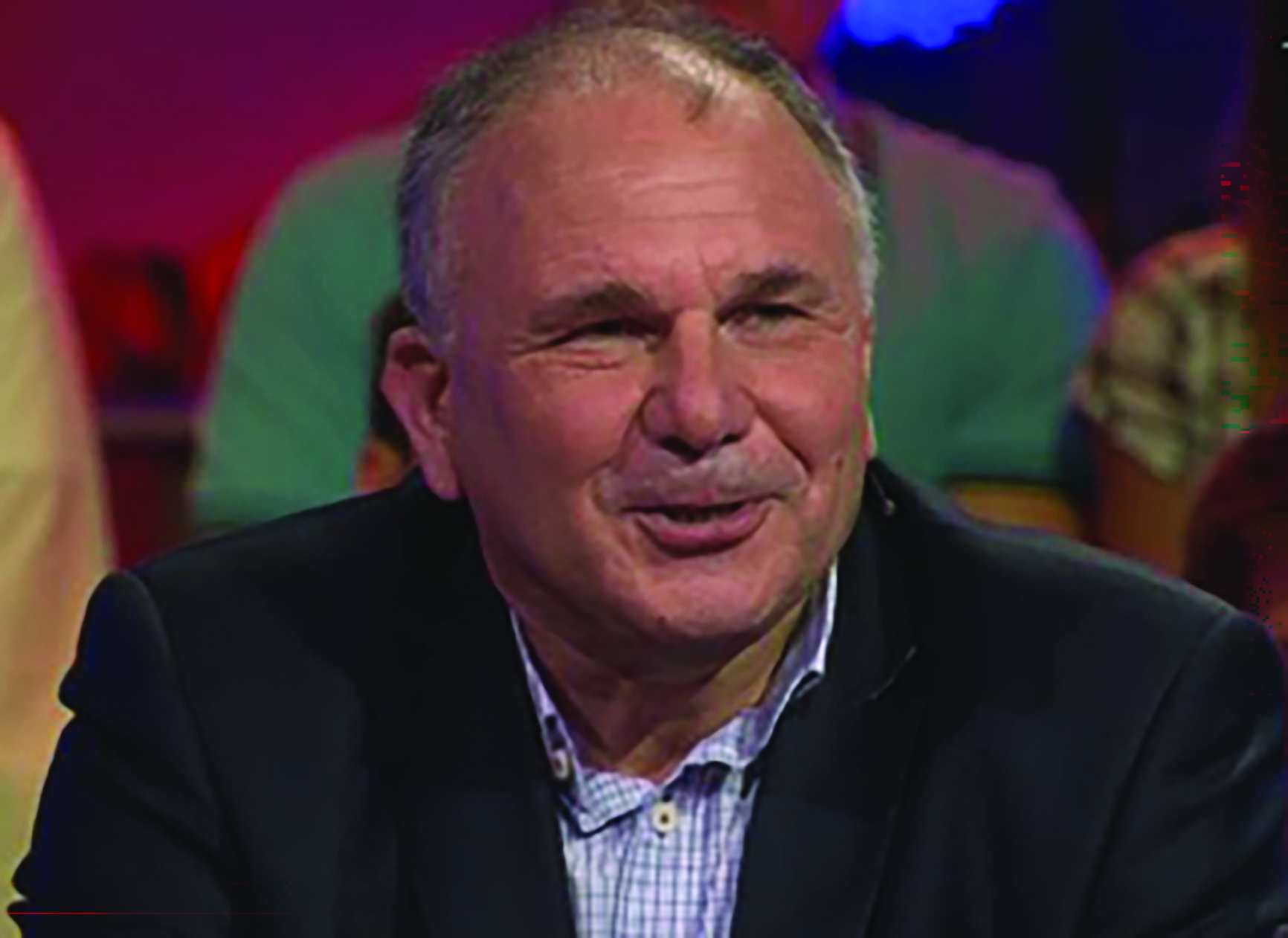
Belgian coach Michel Bruyninckx is not a conventional football figure.
A teacher, researcher, and innovator, he has spent decades exploring how the brain learns and how that understanding can transform player development.
His work, rooted in cognitive neurology, neuropsychology, and neurobiology, helped shape a system widely credited with underpinning Belgium’s rise from international underachievers to one of football’s most consistent talent producers.
Through methods such as CogiTraining and SenseBall, Bruyninckx developed a brain-centred approach that integrates neurological stimulation into football training.
The aim is not only to improve technical execution but to enhance decision-making, anticipation, and overall cognitive efficiency on the pitch.
That philosophy emerged from a moment of crisis. Belgium’s failure at Euro 2000 triggered a comprehensive reassessment of its football structures.
“A completely new time framework was introduced, integrated with education,” Bruyninckx explained to Times of Malta.
Weekly training hours were effectively doubled, supported by stronger scientific input through collaboration with academic institutions such as Leuven University.
“It allowed us to refine the entire development process,” he pointed out.
At the time, Belgian football was constrained by outdated thinking.
“There was too much reliance on empirical training strategies and a poor football vision,” he says. “Youth facilities were also very basic.”
A detailed study of leading football nations led to the creation of a new didactical framework, developed in collaboration with the university. Importantly, the reform extended beyond football into other sports, helping to reshape the country’s broader athletic mindset.
Central to this transformation was a shift in focus – away from purely physical and technical training, and towards understanding how players learn.
“Before designing training, you must understand how the brain functions,” Bruyninckx says. “Learning is a biological process that precedes performance.”
Read: Bruyninckx’s brain centred learning impacting elite football
Early results were striking. Working with players initially considered less talented, his methods produced an unusually high number of professionals.
That evidence gradually influenced clubs across Belgium, including Genk, Anderlecht, and Club Brugge, embedding a new philosophy within youth development.
The Belgian FA played a decisive, if measured, role.
Rather than enforcing a rigid playing identity, it prioritised individual development within flexible tactical structures.
Clubs were encouraged to adopt a 4-3-3 system to promote attacking football, but the emphasis remained on producing intelligent, adaptable players.
Coaching standards were also raised significantly. Only highly qualified coaches – with strong pedagogical backgrounds – were entrusted with youth development, reinforcing the link between education and performance.
Training itself was redesigned to align with brain function.
Attention, focus, and cognitive readiness became prerequisites for effective learning. Structured drills were used to enhance timing, memory, spatial awareness, and executive decision-making.
“We moved away from reactive football and guided players towards recognition-based decision-making,” the Belgian coach underlined.
The result was a generation of players renowned not just for technical quality, but for their tactical intelligence.
Belgium’s relatively small size was no barrier.
“Talent is not innate – it is a process,” he insists.
What mattered was the environment and the willingness to adopt a long-term vision. Structural innovations, such as giving young players competitive opportunities within professional league systems, further accelerated development.
While initially met with resistance from grassroots clubs, these changes eventually led to stronger collaboration across all levels of the game.
Malta shift
For Malta, currently still competing in the lower tier of the UEFA Nations League, the lessons are clear.
Bruyninckx identifies three immediate priorities – extending the training framework through better integration with education, embedding brain-centred learning within coaching programmes, and implementing a modern didactical system that balances direct instruction with player autonomy.
Above all, he stresses the importance of long-term planning over short-term results.
His methodology, while grounded in universal principles of human learning, is not a one-size-fits-all solution.
“You cannot simply copy another country,” he warns.
Cultural, social, and environmental factors must shape any reform. Comprehensive player profiling – including neurological, physical and social aspects – can help tailor development strategies more effectively.
Progress, he argues, can begin quickly. Advances in neuroscience show that meaningful improvements in cognitive and technical skills can occur within weeks.
However, translating those gains into sustained national success requires patience, consistency and structural alignment.
Coach education remains a cornerstone of that process. “It must be broad and holistic,” he says, cautioning against overly specialised approaches that limit understanding.
Mentality shift
Equally important is shifting the mentality within youth football.
In Belgium, competitive results are deliberately de-emphasised at younger age groups, allowing development to take precedence over winning.
Education also plays a critical supporting role. Improved coordination between schools, clubs and families has led to better lifestyle habits, medical monitoring, and workload management – all of which contribute to player progression.
Belgium’s so-called ‘golden generation’, featuring players such as Kevin De Bruyne, Eden Hazard and Romelu Lukaku, is often seen as a fortunate convergence of talent.
Bruyninckx disagrees.
“This was the result of the reorganisation,” he states, pointing to the structured pathways that supported their development.
“If Malta is to follow a similar trajectory, the starting point must be clarity of identity. “Copy-paste does not work,” he concludes.
“Development is education, and it must match a country’s context.”