Ħamrun Spartans will face Lithuanian champions FK Žalgiris in the UEFA Champions League first qualifying round, with the first leg scheduled in the Baltic country.
This marks FK Žalgiris’ first-ever UEFA tie against a Maltese opponent. The fixture comes right after their respective national teams’ face-off, with Malta and Lithuania playing out a goalless draw in the 2026 FIFA World Cup qualifiers at Ta’ Qali, earlier this month.
Žalgiris enter this European campaign on the back of a mixed spell in European football.
Last season, they were eliminated in the second qualifying round of the UEFA Conference League by Cypriot side Pafos.
However, in 2022=23, they reached the group stages of the same competition, facing Basel, Slovan Bratislava and Pyunik, finishing fourth with one win, a 2-0 victory over the Armenian outfit.
They qualified for this season’s Champions League by clinching the 2024 A Lyga title, played on a calendar-year basis.
Amassing 79 points, they finished 12 ahead of Hegelmann.
Under the guidance of Kazakhstan-born coach Vladimir Cherubin since 2021, Žalgiris have established domestic dominance, winning three league titles, two Lithuanian Cups, and two Super Cups.
Heading into the Ħamrun Spartans tie, a key factor in their favour is match fitness because by the time they meet the Malta champions, they will would played 19 league games, offering their players valuable minutes and rhythm.
This mid-season sharpness gives them a physical and tactical edge, especially when compared to Maltese sides coming off pre-season – a factor the Malta Premier League is studying closely.
Although they are currently struggling to defend their league title and find themselves in the bottom half of the table, FK Žalgiris are still expected to provide a stern challenge to the Spartans.
SportsDesk conducted an immediate analysis of FK Žalgiris in their first outing since the draw, a 2-2 result against Suduva, their fourth consecutive draw.
Meanwhile, Ħamrun Spartans are in Calabria for a training camp, likely taking notes on their Lithuanian opponents.
While this single match doesn’t offer a complete tactical picture, it does provide early insights into what the Maltese champions can expect.
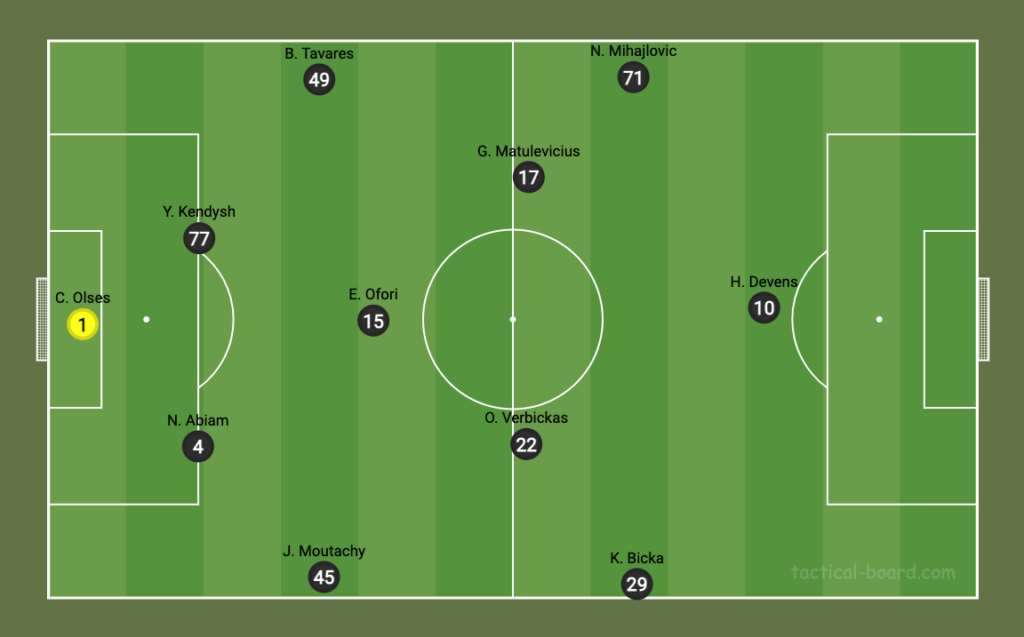
Tactically, Žalgiris frequently deploy a 4-1-4-1 system. It offers balance: a single pivot sits in front of the defence, allowing midfielders to push forward and overload wide areas, a recurring theme in their attacking play.
Their build-up is patient and structured and they use two main approaches. In one, a centre-back steps into midfield alongside the pivot, with the goalkeeper forming part of a 3+2 structure.
Alternatively, they adopt a Salida Lavolpiana approach, with the pivot dropping into the defensive line and the full-backs pushing high and wide.
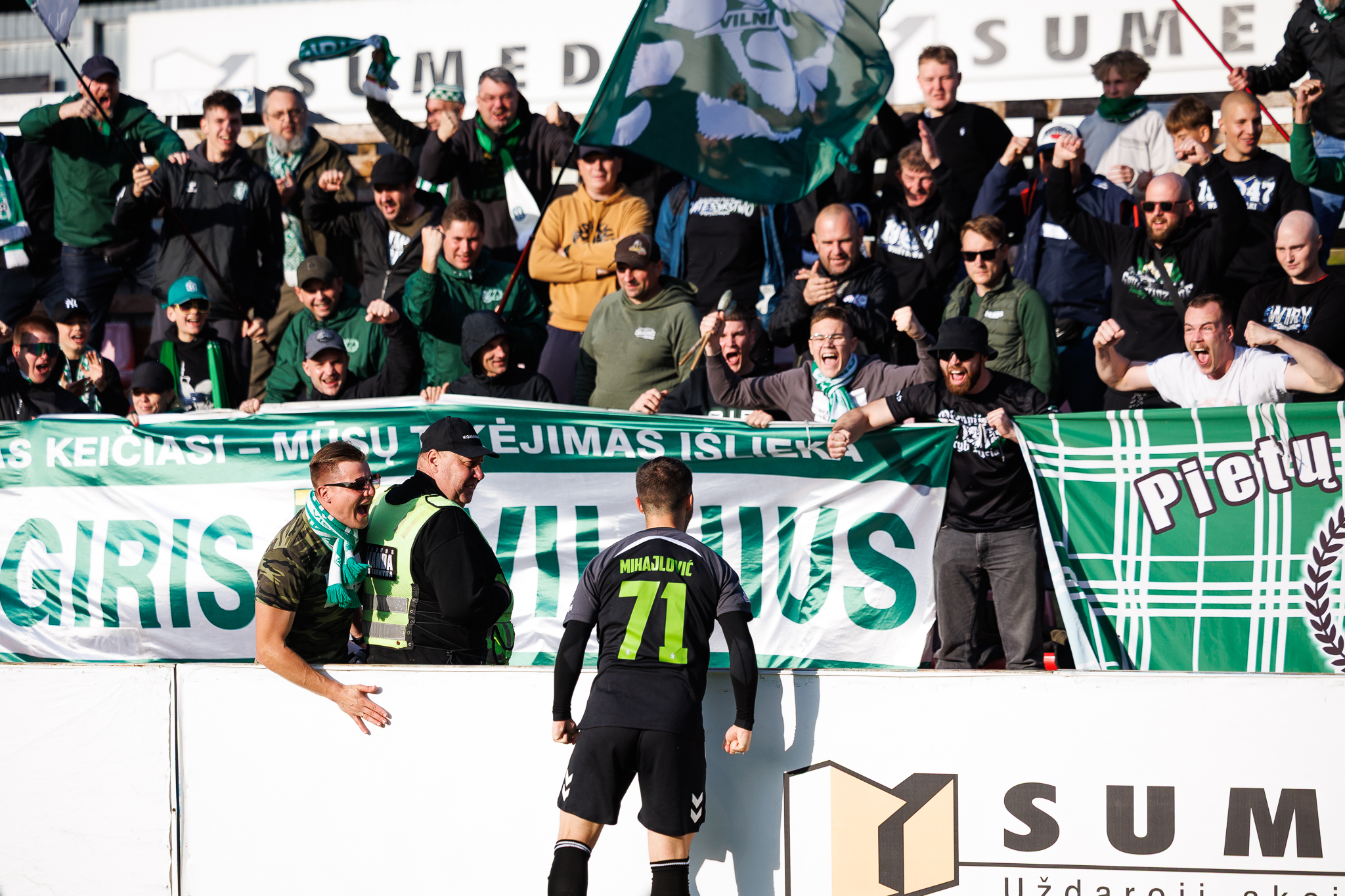
Key players to watch include winger Nemanja Mihajlović (no. 71), a left-footed Serbian with notable pace and trickery. Against Suduva, in their first game post-draw, Mihajlović scored one and showed how dangerous he can be when running into space, something Ħamrun must monitor closely, particularly if employing a high line.
Throughout his career, the former Serbia U-21 international played with Partizan Belgrade (51 games, 10 goals and 18 assists) and with Heerenveen as well (29 games, 3 goals and 15 assists).
Another danger is right-back Joris Moutachy, a Martinique international with seven caps.
A dynamic presence who can play with both feet, provides width, tucks inside during build-up, and can beat opponents with pace and physicality. He assisted the second goal against Suduva, highlighting his influence.
Captain Ovidijus Verbickas also offers a physical edge in midfield and is effective when making inside runs to support the forward line, as seen when he scored in the same match.
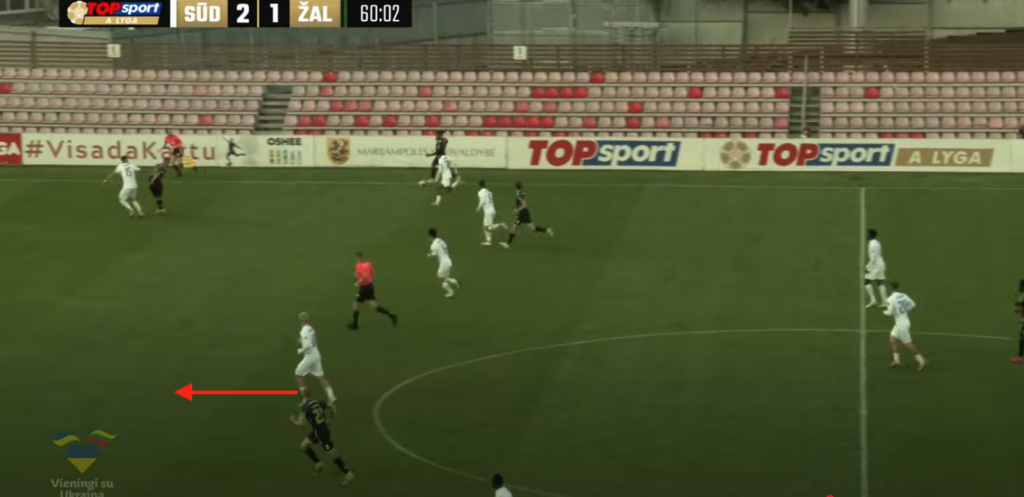
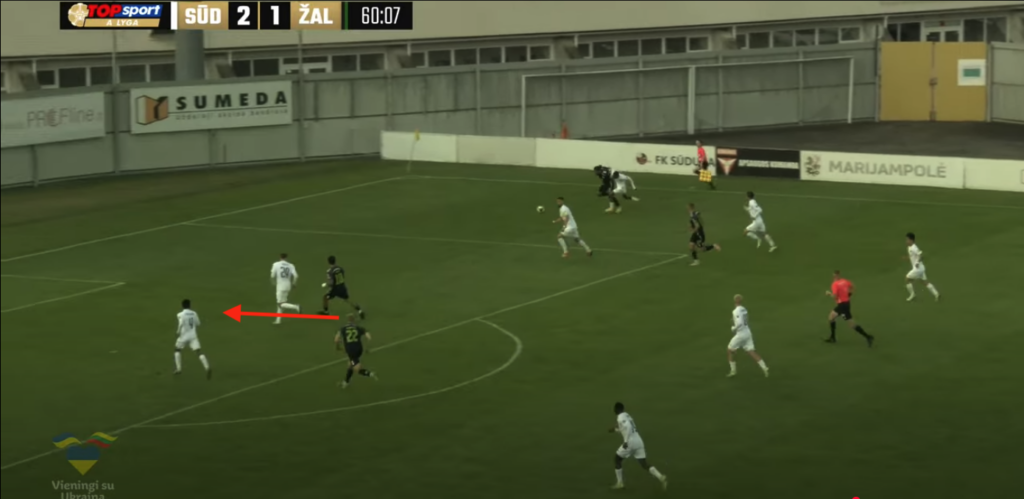
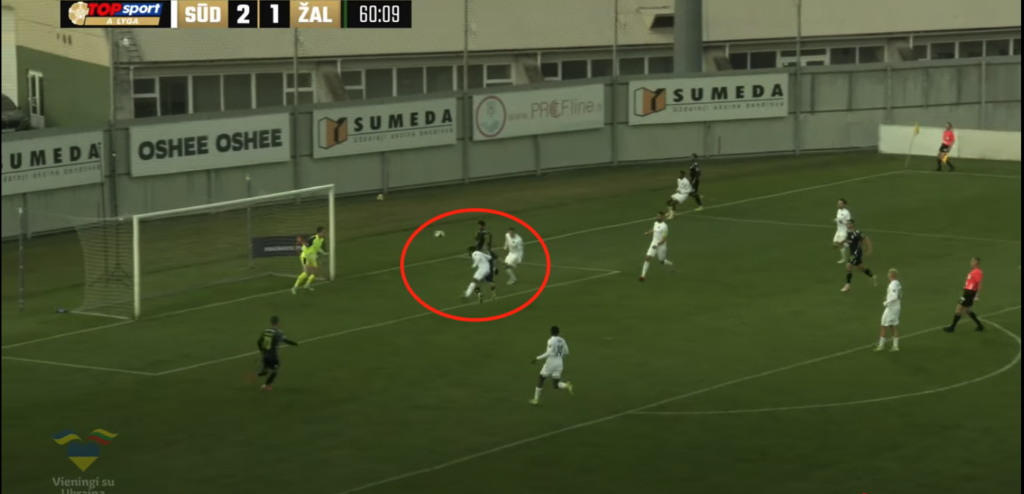
Upfront, Brazilian striker Henrique Devens, a new signing, has yet to impress fully, netting just three times in 16 games.
In this particular match against Suduva, Žalgiris adopted a mid-block pressing approach, initiating their press as soon as the opposition advanced into central areas. The forward applied pressure on the ball-carrying central defenders, while the central midfielders engaged in tight man-marking on their opposite numbers.
Such a setup could work in Ħamrun’s favour, especially if they manage to dictate the tempo through sustained possession. They could look to draw Žalgiris out of their shape and exploit spaces either by playing around or over the press, or by combining effectively in the final third.
Much will depend, however, on whether Žalgiris persist with their mid-block pressing strategy.
With new coach Giacomo Modica, considered a disciple of Zdenek Zeman, expected to implement an aggressive, high-pressing philosophy, the tie presents a fascinating contrast in styles.
Ħamrun’s ability to disrupt Žalgiris’ build-up and exploit transitions will be key, but they must be vigilant about pace on the flanks, which is a clear strength of the Lithuanian side.
Author