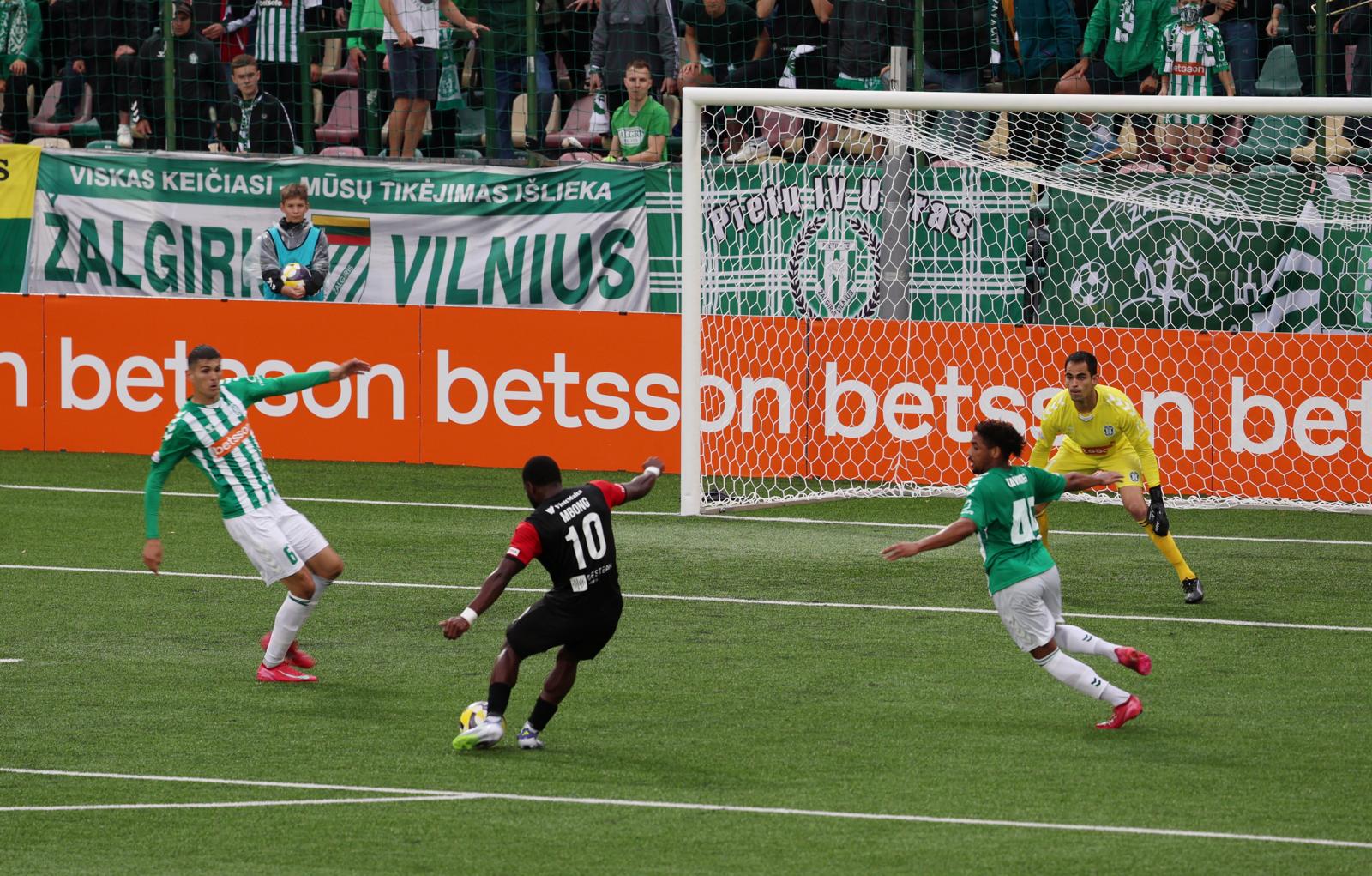
Ħamrun Spartans suffered a 2-0 defeat away to Lithuanian champions FK Žalgiris in the first leg of their UEFA Champions League first qualifying round tie. Despite the result, the Maltese champions left Vilnius with positives to build on ahead of Tuesday’s return leg at the Centenary Stadium.
It was an evening of ‘what ifs’ for Ħamrun, who, despite this being their first competitive match of the 2025/2026 season, carved out several clear-cut chances but lacked the clinical edge to convert.
In contrast, Žalgiris, already mid-season in the A Lyga (Lithuania’s top-flight), capitalised on their rhythm to take control late in the match and punish Ħamrun’s missed opportunities.
This marked the competitive debut of new Ħamrun coach Giacomo Modica, who brought with him a clear tactical imprint influenced by his mentor Zdeněk Zeman.
While Modica is known for attacking football often built around a 4-3-3 or 4-4-2, he opted for a more cautious 4-5-1 in this outing, designed to suppress Žalgiris’ pace on the flanks and congest the central areas.
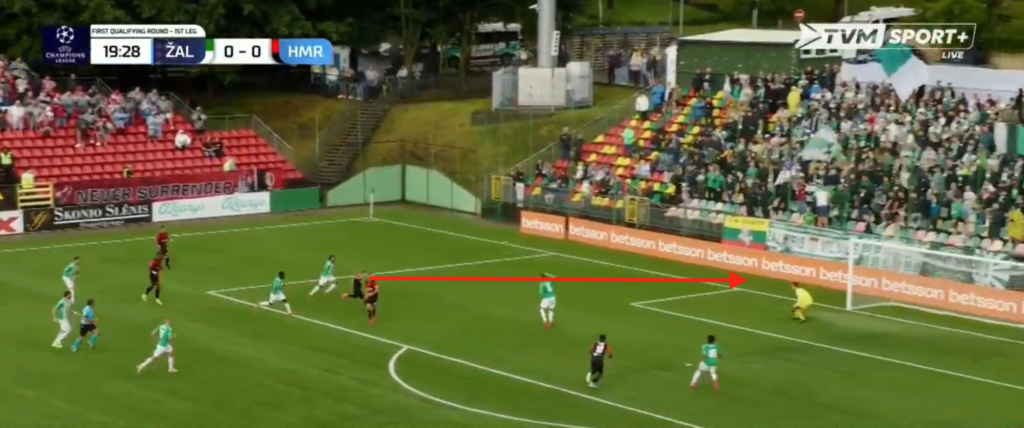
Despite the more reserved shape, Ħamrun’s pressing intensity was high, especially in the early stages. The Spartans successfully disrupted Žalgiris’ build-up, often forcing them into long balls, and even created dangerous opportunities through high recoveries.
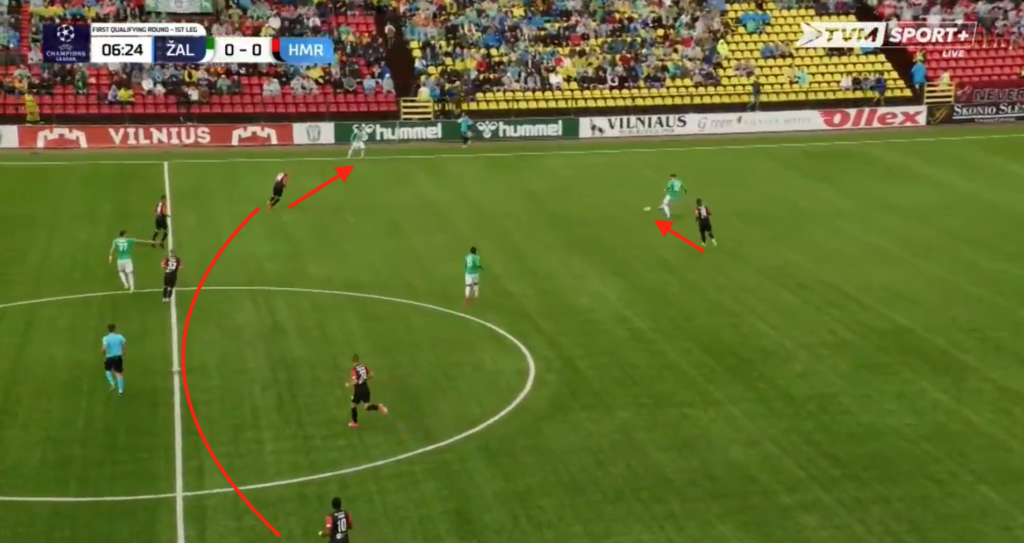
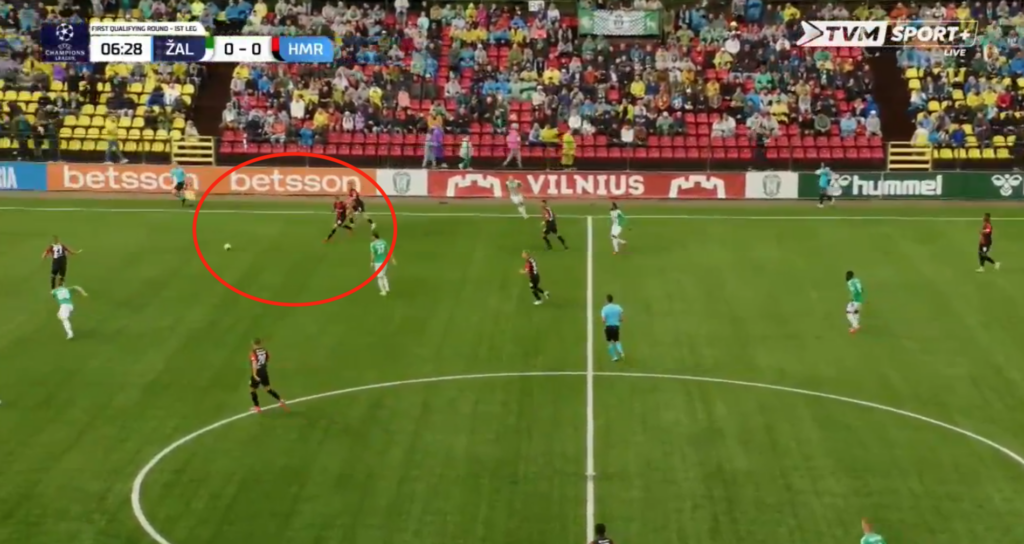
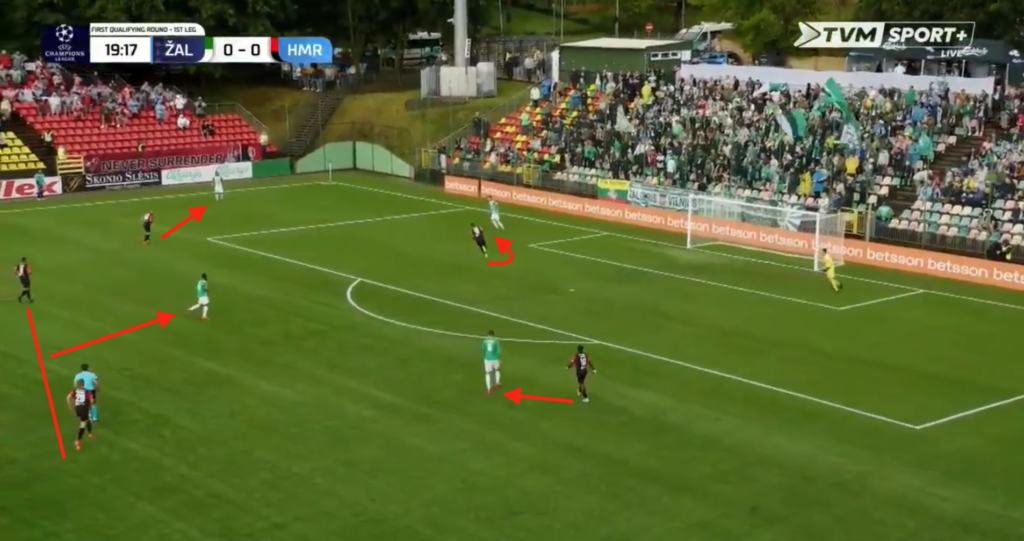
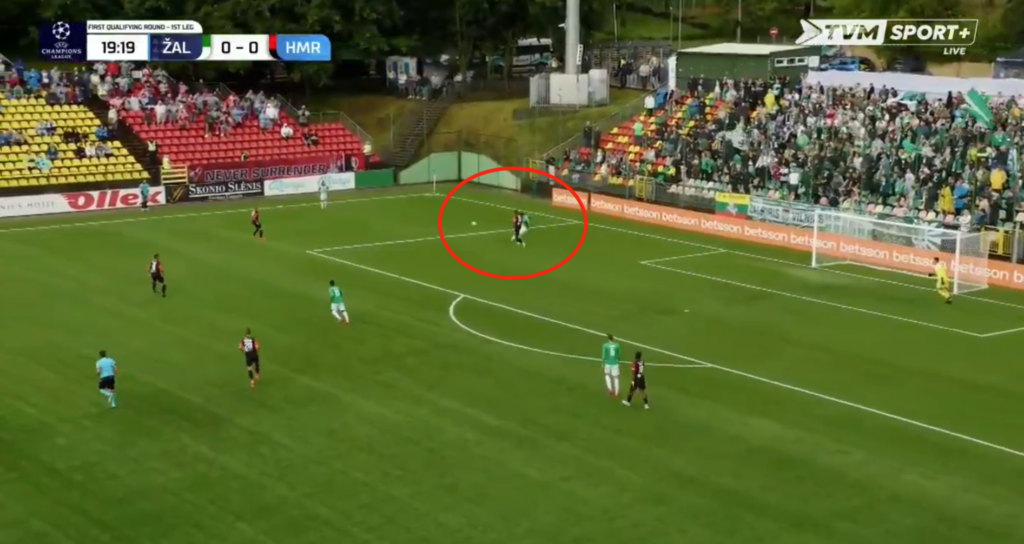
One of these led to a clear chance for Ryan Camenzuli, while another arrived shortly after, but neither were converted.
Ħamrun fielded four debutants in the starting XI: right-back Raphael Compri, midfielder Domantas Simkus, a former Žalgiris player, Matías García, and forward N’Dri Koffi.
Koffi was a key figure up front, offering hold-up play and winning fouls, although he often lacked close support to threaten truly. With better combinations around him, his contributions might be more decisive.
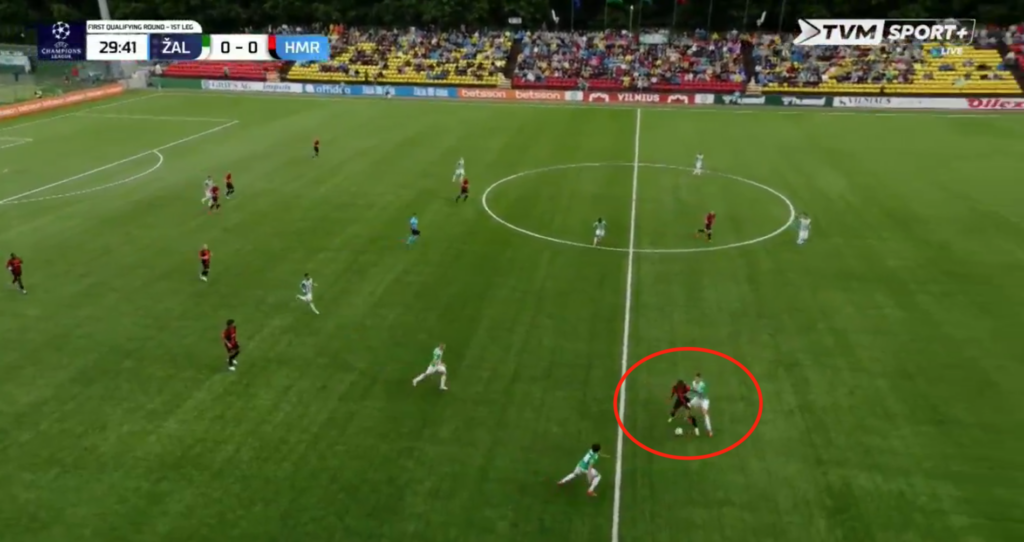
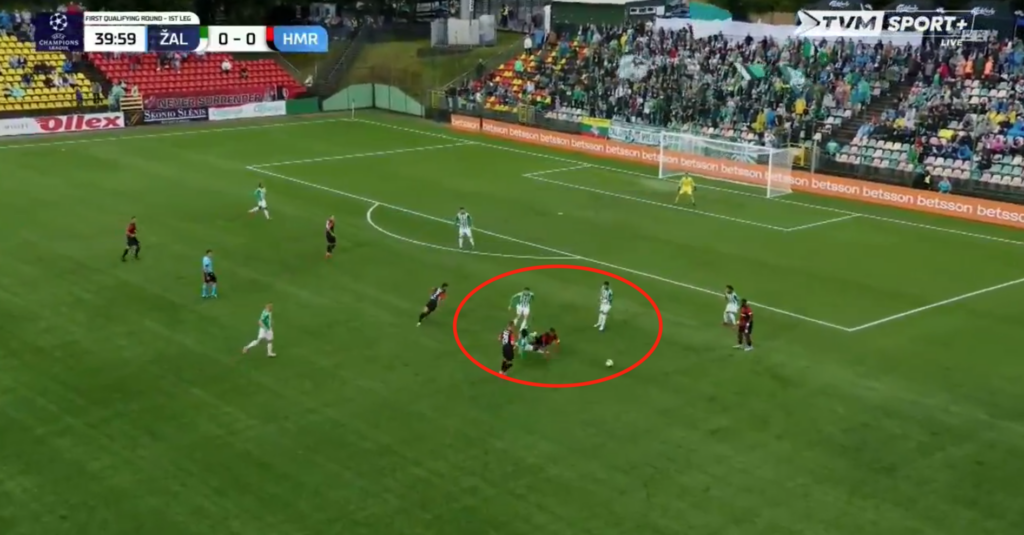
In possession, Ħamrun managed 40% of the ball in the first half but registered seven shots to Žalgiris’ five, including three clear-cut chances. Yet by half-time, the deadlock remained, a reflection of both missed chances and solid defensive structure.
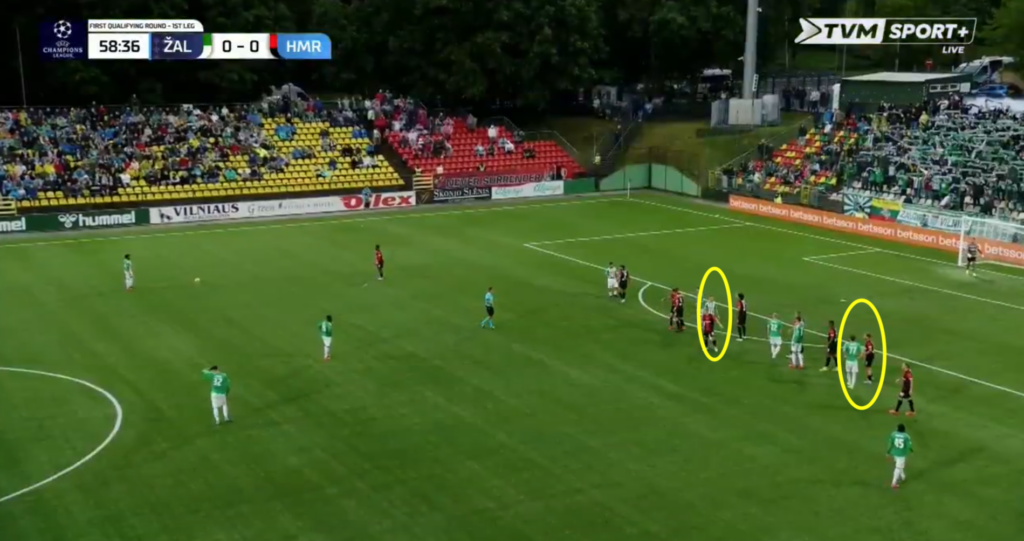
The second half began more evenly, but the tide turned on the hour mark when Žalgiris broke through from a well-rehearsed free-kick routine.
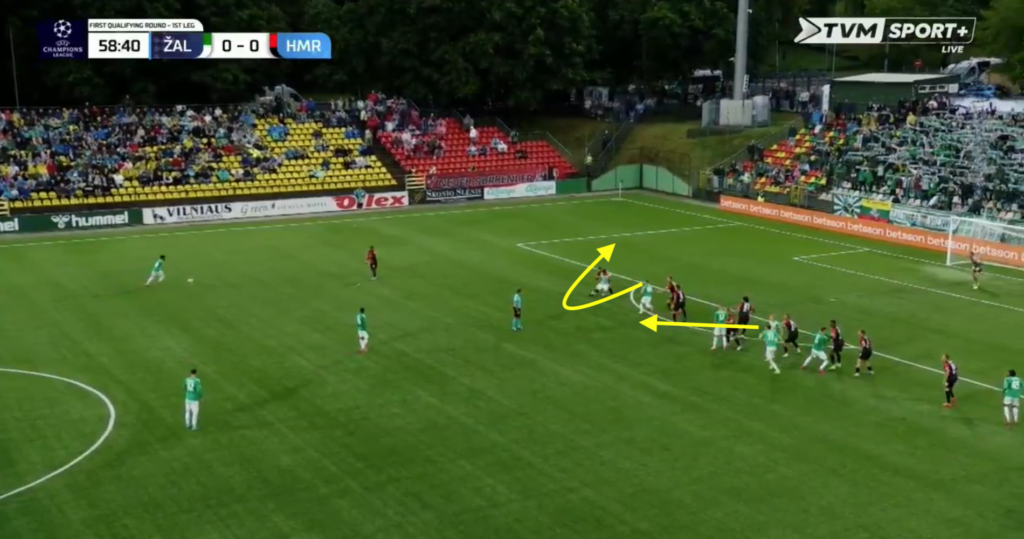
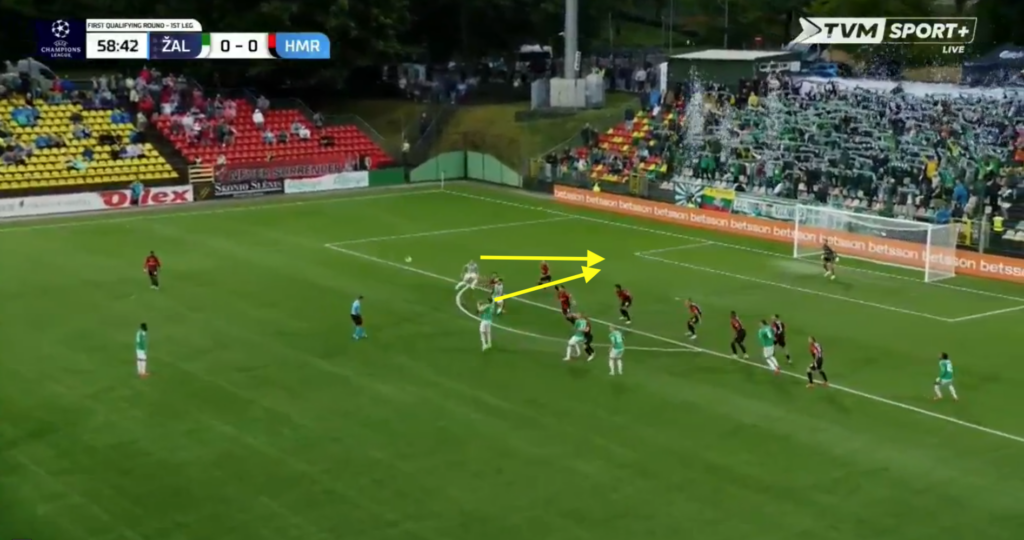
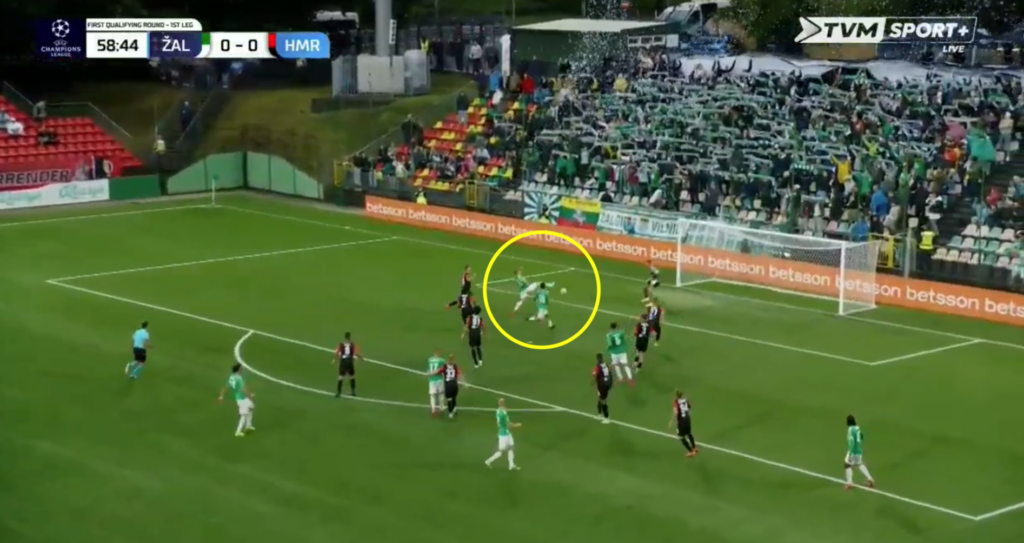
That moment changed the dynamic, forcing Modica into a reshuffle. He introduced Swiss-born winger Merlin Hadži for Nikolai Micallef, pushing Camenzuli to left-back and Mbong to the left wing while Hadži slotted in on the right. The former Vaduz man brought energy and directness, but Ħamrun still lacked sharpness in the final third.
Another change followed as Simkus limped off and was replaced by Eder, with García dropping into a deeper midfield role, a position that better suits his ball-winning traits.
Despite pressing to find a lifeline, the Spartans were undone again late on as Žalgiris doubled their lead, sealing a result that puts Modica’s side under pressure heading into the return leg.
However, with better decision-making, more speed in the wide areas, and an improvement in the end product, Ħamrun still have a fighting chance at home.
With eight corner-kicks earned on the night, set-pieces might be prove pivotal for the Maltese champions.
Author