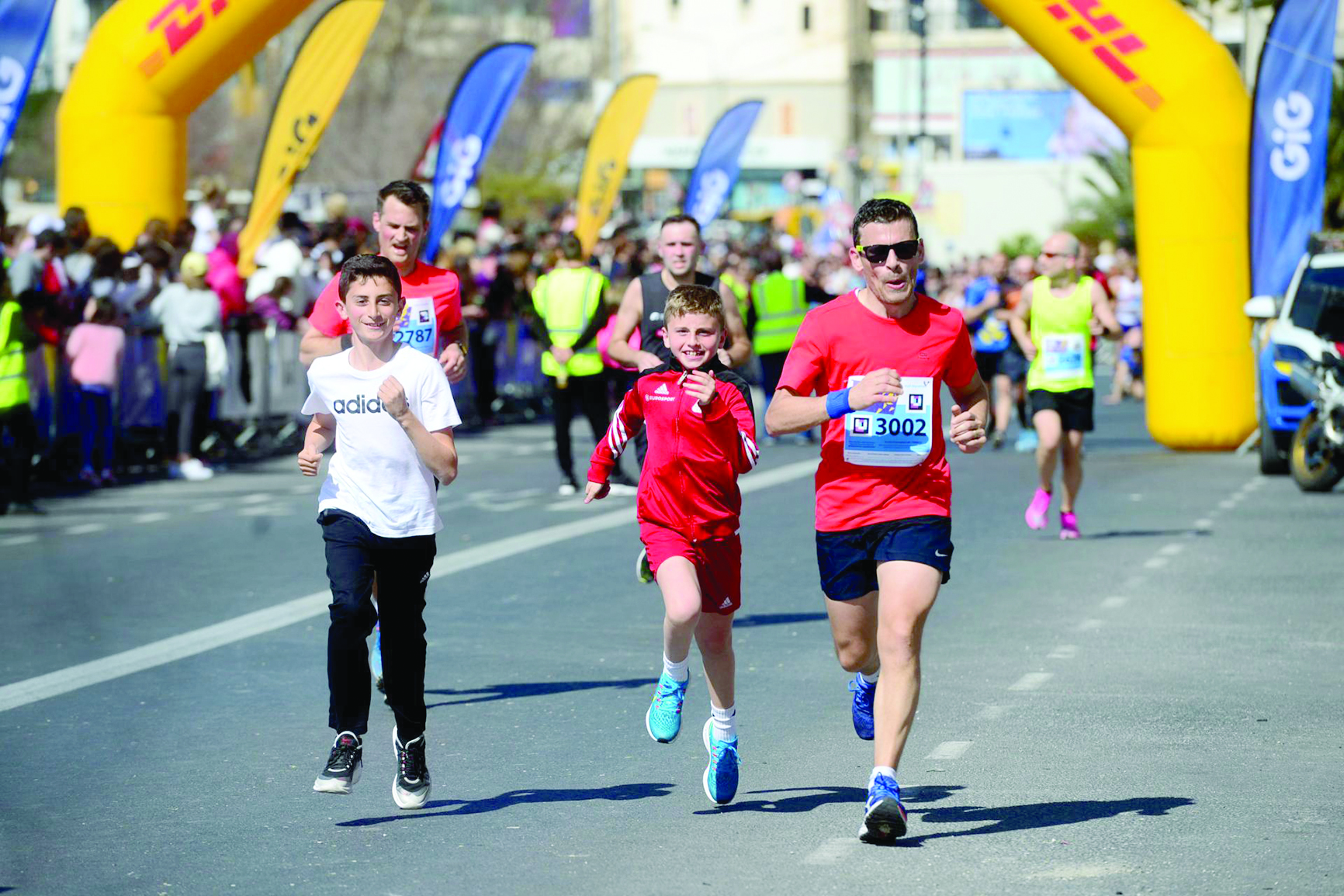
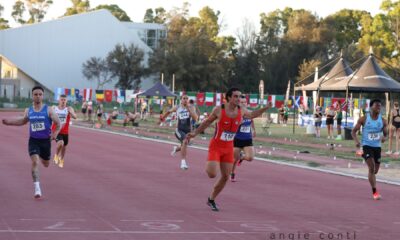
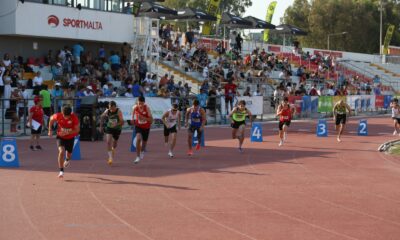
The 40th edition of the Malta Marathon will be held on Sunday with a record number of participants.
This annual long-distance race is a highly anticipated event for both local and international athletes, who have dedicated months of preparation in pursuit of their goals.
While achieving the best possible time remains a priority, staying injury-free is just as crucial for the competitors.
The Times of Malta spoke with Sebastien Dupart, an experienced osteopath and founder of Functional – Osteopathic Centre in Malta, to gain insights into injury prevention and pain management.
Originally from France, Sebastien has worked in osteopathy for over a decade across different countries including Malta where his extensive experience has allowed him to treat a wide range of patients, including athletes
Since his arrival in Malta, Sebastien had the chance to work for a short spell at the Malta Football Association too.
Through his practice, Sebastien established the concept of Functional Osteopathy, a specialised hub dedicated to injury prevention and pain relief.
Dupart firmly believes that with the right habits, training routines, and treatment, many injuries can be avoided altogether.
“The most common injuries we face as therapist for runners are knee pain, lower back pain, ankle injuries, muscular injuries and tears,” he explained.
“To avoid injuries we must understand why the athlete is injured or more importantly where and why is he at risk of injury.
“First step is going through a detailed examination of the lifestyle, work, training habits, medical condition and past injuries of the athletes.
“An osteopath can then assess the global posture, muscular system: strength and flexibility imbalances, mobility: main movements and micro-mobility restrictions: the joints.”
“Most of the injuries can be prevented and this is where a health therapist can help you to assess the risks, prevent injuries and optimise your performance.
“Note that most of the time, athletes neglect the effect of their job: sedentary position affects their posture and performances. I always advice a daily routine adapted to your job to compensate negative effects on your body.”
“For muscular injuries, we can prevent it with a good recovery: enough sleep, resting time, balanced diet, a good warm-up and regular work on the muscular system.
“To release the muscular system there is a lot of different methods and tools that can help: foam rolling, stretching, electrostimulation: EMS devices and TENS devices, pressotherapy, massage gun and sports massage.”
Asked about the importance of sports massage in marathon preparation, Dupart explained that it helps reducing training soreneess, tight muscles and relax the athletes’ body and mind.
“It is important to see a masseur regularly depending on your body’s ability to recover: can be once or twice a month depending on the athlete. Most importantly do not wait a pain or an injury before going for a massage,” he pointed out.
“Keep in mind that a massage is for relaxation and it is not adapted in case of pain or injuries. In that case, athletes must consult a sport doctor or a health specialist (osteopath or physiotherapist) in order to reduce the pain and understand why the injury occurred.
“Athletes must learn to listen their body and recognize signs of fatigue. When you are injured it is already too late: you lose time on your training, create imbalances and reduce your performances.
“An athlete should be followed at the beginning of his training to first understand his body: be aware of his imbalances and weaknesses in order to work on it before increasing training.”
“As a health professional we see athletes regularly: once, twice a month or more depending on their needs, condition and objectives.”
Sebastien is a firm believer in good pre-race mobility and warm-up routines, citing various studies that show how movements and dynamic stretching are the best pre-race warm-up while slight static stretching can help to increase flexibility and range of motion too, but it must be done carefully to avoid overstretching or hurting the muscles.
“Ideally improving your flexibility and range of motion should be done on a daily basis during your preparation,” Dupart said.
“After completing a 21km or 42km race, prioritizing recovery is essential for your body’s well-being.”
According to osteopath Sebastien, the key to effective recovery starts with quality sleep – getting at least eight hours of rest and going to bed early is crucial.
A well-balanced meal that includes both carbohydrates and protein will help replenish energy levels and support muscle repair.
Immediately after the race, incorporating static stretching, cold therapy (such as soaking your legs in the sea or taking an ice bath), and professional sports massages can aid in recovery.
Additionally, utilising recovery tools like massage guns, TENS/EMS devices, and foam rollers can further enhance muscle relaxation and reduce soreness.
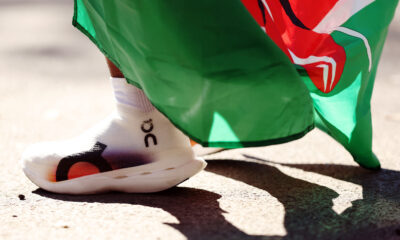
Many athletes use marathons as an opportunity to break in new running shoes, but selecting the right footwear is essential for performance and injury prevention.
Running involves repetitive impact, and wearing unsuitable shoes can disrupt foot mechanics, limiting shock absorption and leading to increased strain on muscles and joints, particularly the knees and lower back.
Finding the right shoes requires careful consideration of factors such as foot structure, arch type, and any existing medical conditions.
Sufficient cushioning is vital, but since shoe selection is highly individual, consulting a trained health professional can help determine the best fit for your needs.