
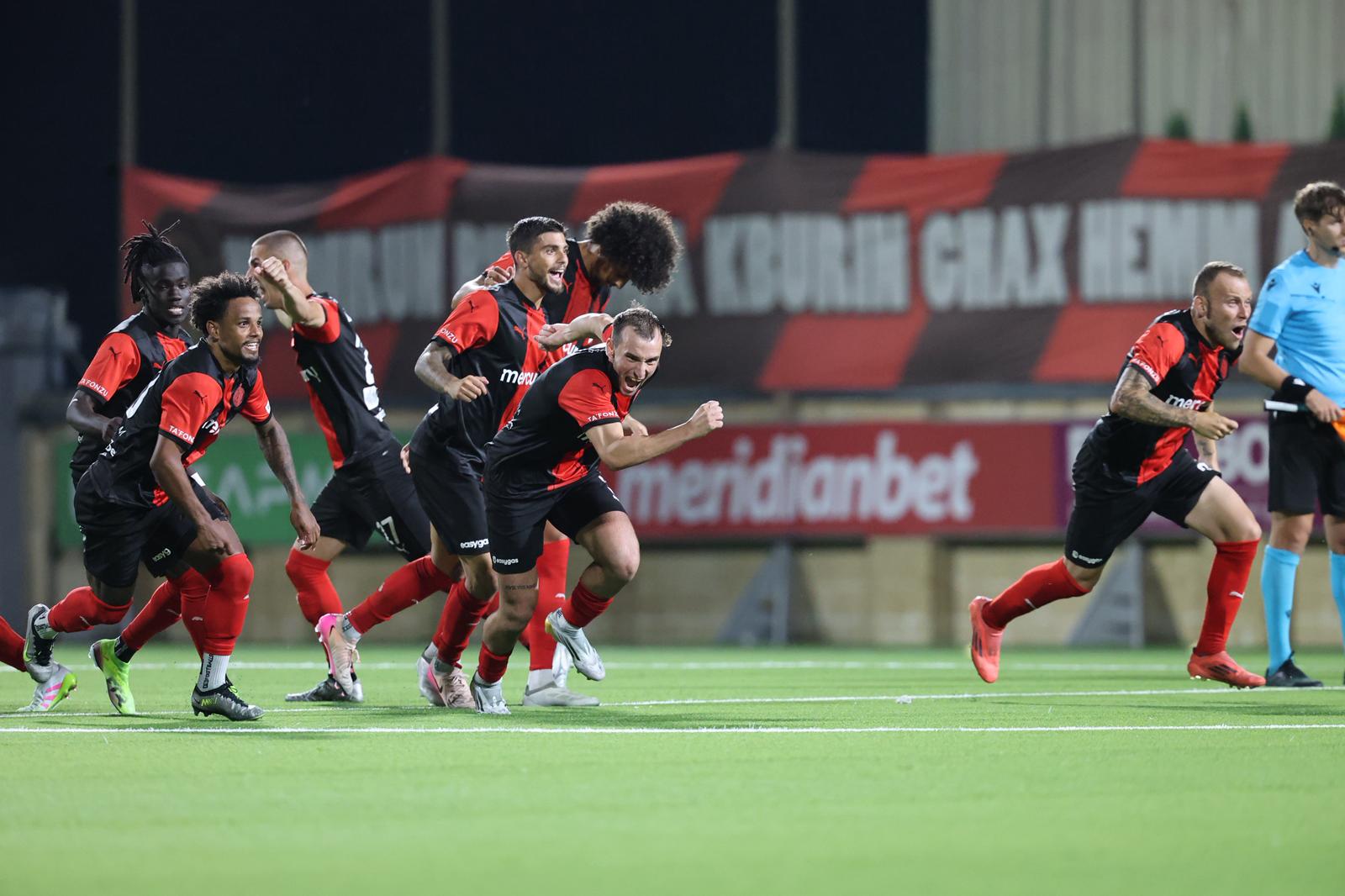
A historic evening for Ħamrun Spartans and Maltese football saw the reigning champions make it to the second qualifying round of the UEFA Champions League for the first time in the club’s history.
Their reward is a prestigious tie against Ukrainian giants Dynamo Kyiv, a club with a storied European pedigree and a squad full of experience and talent. More importantly, this result guarantees the Spartans at least a place in the UEFA Conference League play-offs, meaning they are now just one step away from the League Phase of European competition.
In this analysis, we want to focus on the first-half performance that laid the foundation for Ħamrun’s comeback against Lithuanian champions FK Žalgiris, capped off by a remarkable 28-penalty shootout – matching the UEFA competition record previously set by another Maltese club in Gżira United against Glentoran in 2023.
Trailing 2-0 from the first leg, the Spartans had reason to remain optimistic. The result in Lithuania flattered the hosts, as there was little between the two sides, and Giacomo Modica’s men felt hard done by. The Italian coach’s players had shown promise with their pressing, even in a more conservative 4-5-1 shape.
For the return leg, Ħamrun coach Modica opted for his trademark 4-3-3, which is a more aggressive and front-footed setup, in line with the task at hand.
Three changes were made – Vincenzo Polito replaced Emerson Marcelina in central defence, Eder was brought in as left-sided inside midfielder in place of Matias Garcia, and Swiss winger Merlin Hadzi started on the right, joining Joseph Mbong and N’Dri Koffi in the forward line. Ryan Camenzuli also featured as left-back, often pushing forward to create overloads.
Žalgiris remained in their 4-4-2 formation but found themselves on the back foot early on. Ħamrun’s aggressive high press unsettled the Lithuanians.
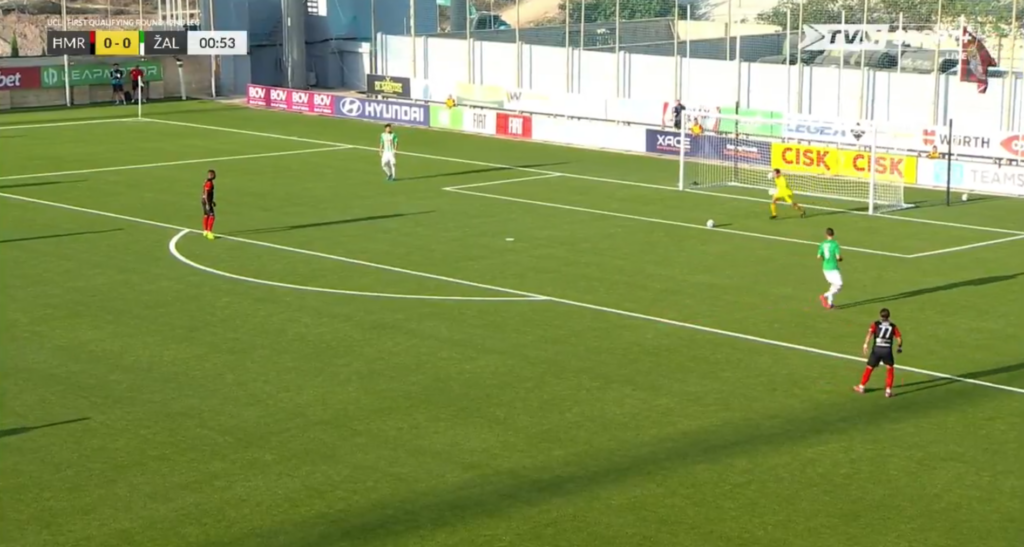
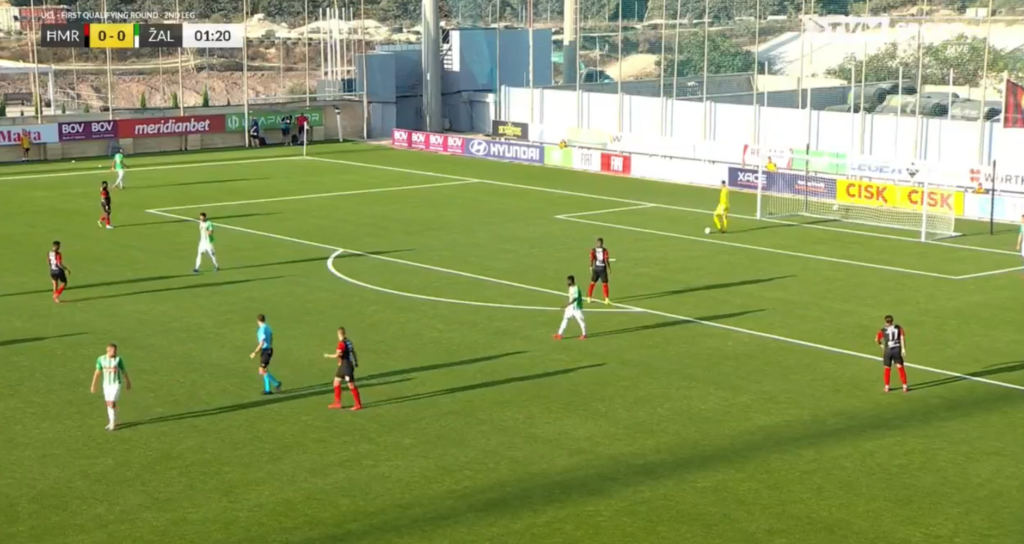
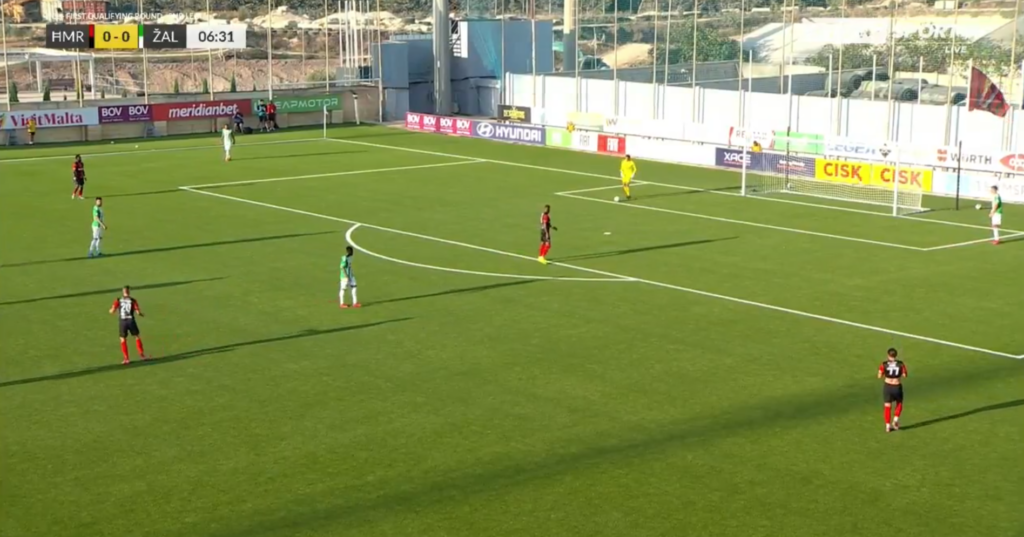
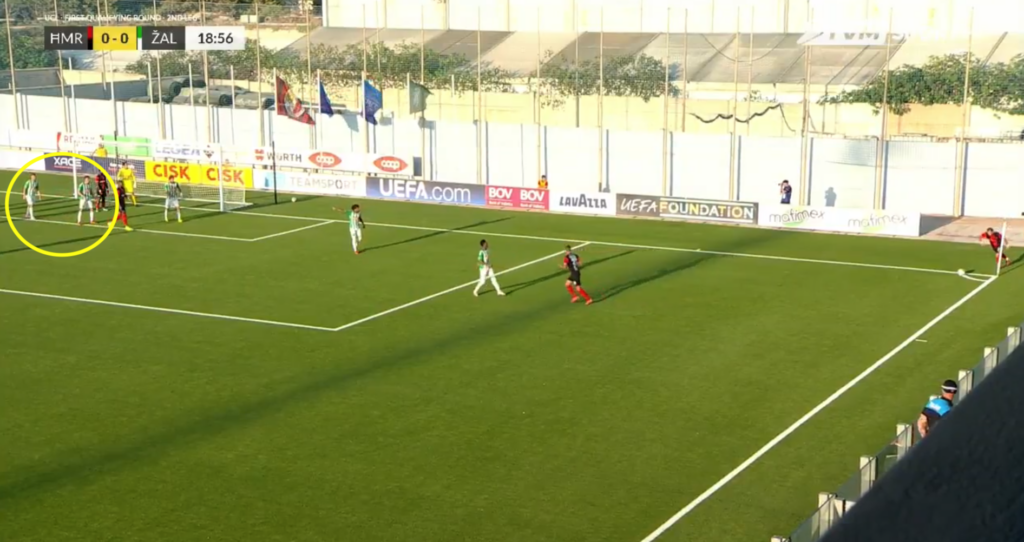
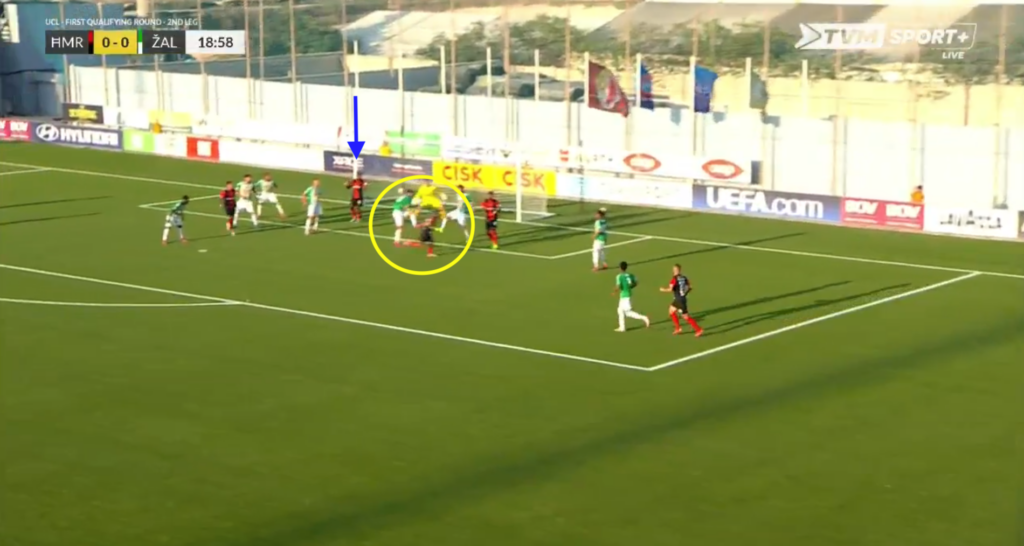
By the 19th minute, the ball was in the net, only for the goal to be ruled out for offside. Still, the sequence offered signs of improvement in set-piece execution, a previously weak area for the Spartans in the first leg.
On 22 minutes, Ħamrun were forced into a change as Hadzi came off injured, with 21-year-old Senegalese forward Saliou Thioune coming on. Thioune’s impact was immediate with his direct runs into the box posing constant problems for the opposition, while Eder drifted wide to cover space, showing tactical flexibility and dynamism.
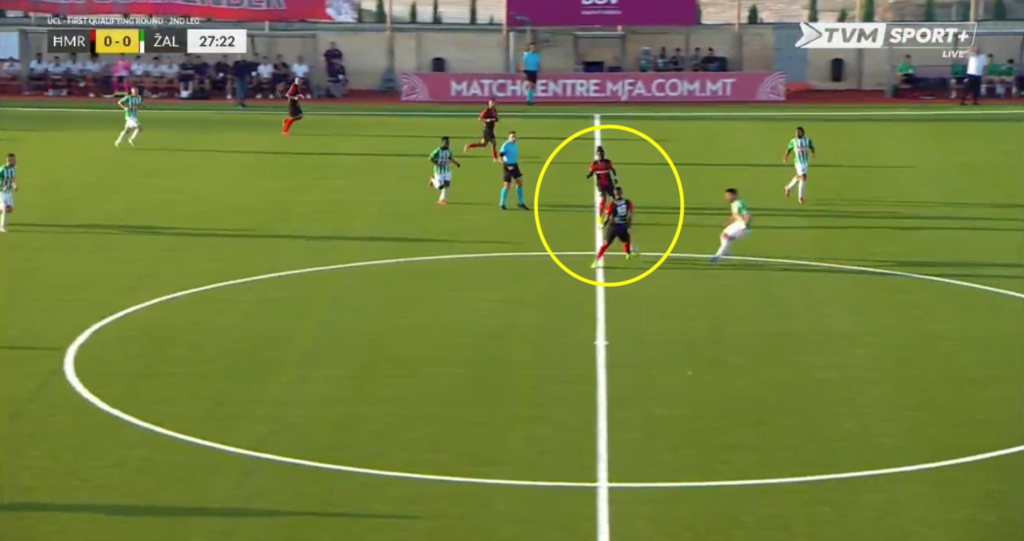
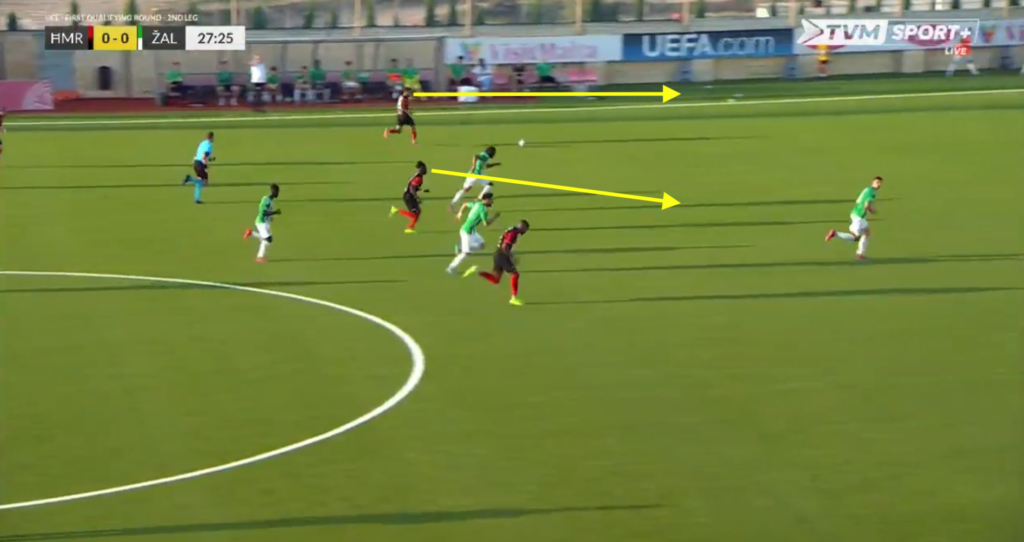
The pressure paid off. In the 35th minute, a well-crafted move culminated in the opening goal.
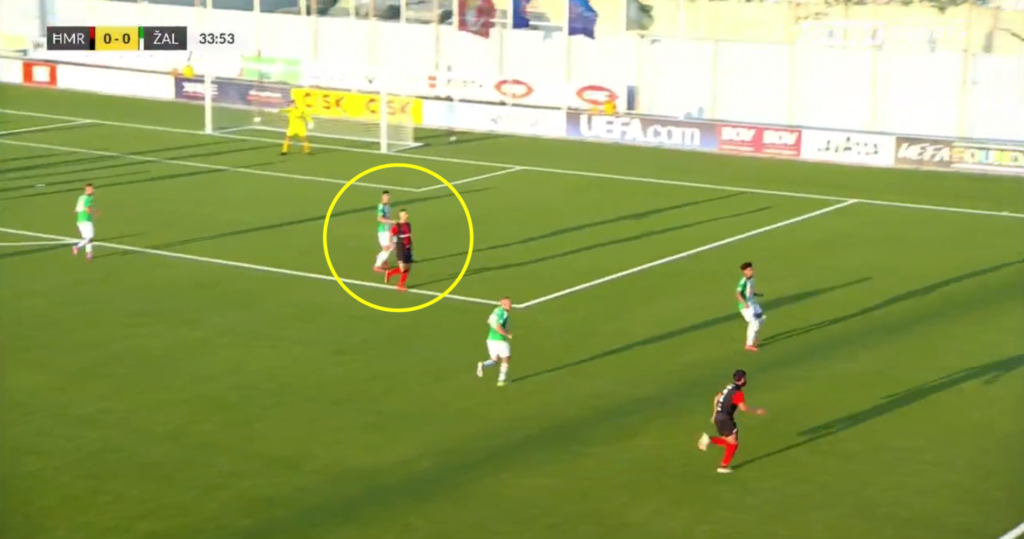
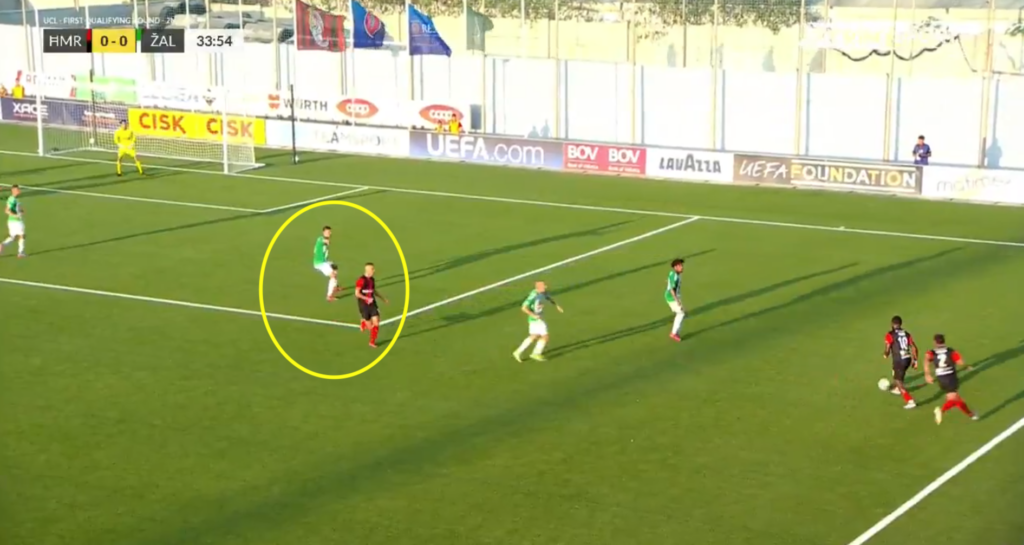
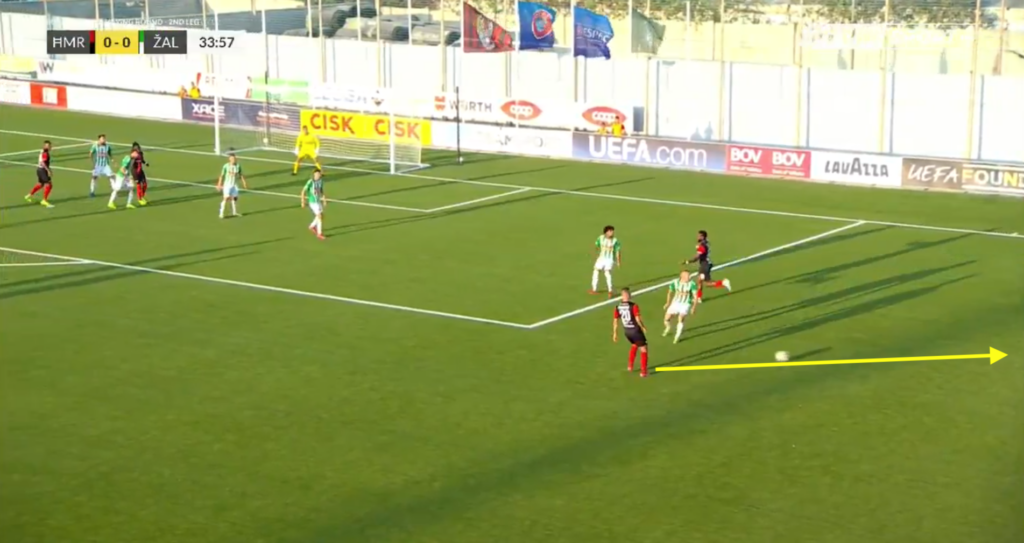
Just six minutes later, Ħamrun capitalised on a high turnover, converting their pressing efforts into a second goal – a crucial moment that swung the tie back in their favour.
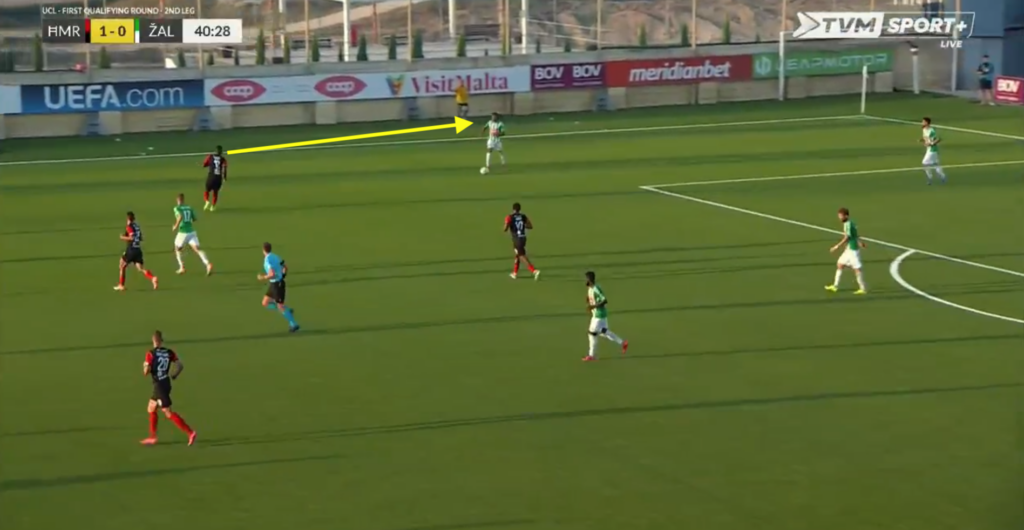
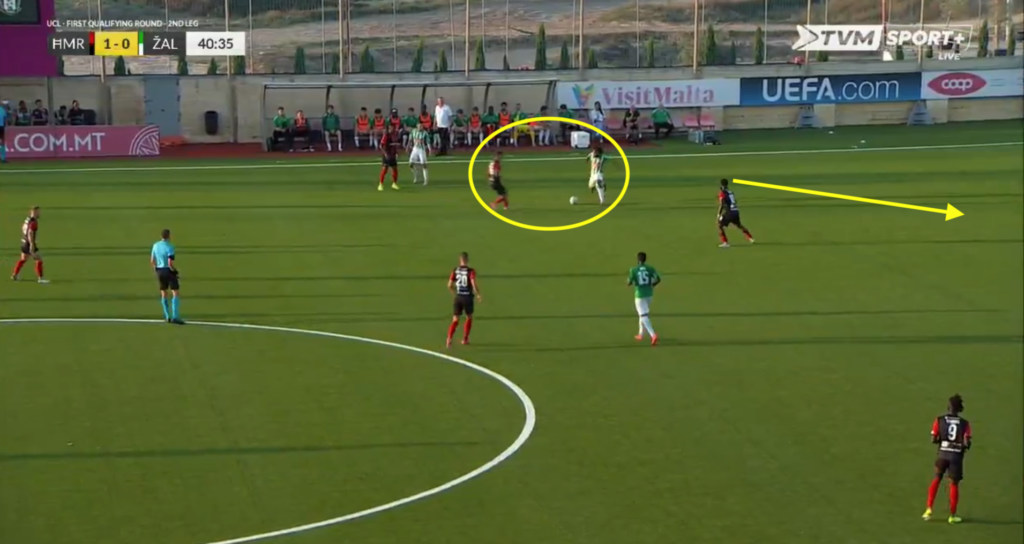
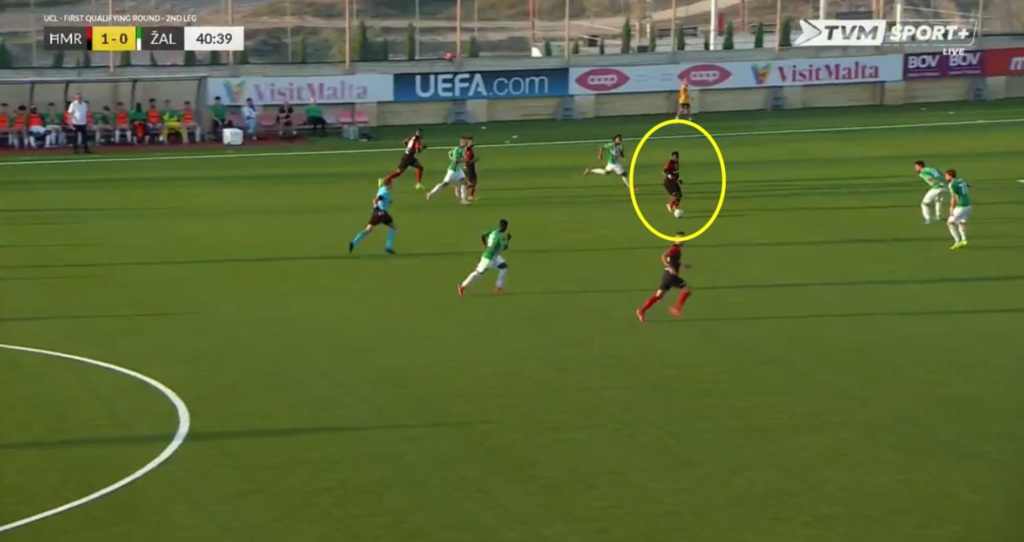
That first half was a showcase of Modica’s tactical imprint. High-intensity pressing, wide overloads, quick transitions, and positional fluidity. Considering this was only Ħamrun’s second competitive match under Modica – while Žalgiris are mid-season – the performance was even more impressive.
Author

























Charles Vassallo
July 16, 2025 at 10:07 am
Well done Spartans!