By Sasha Lecuyer
Coaching young athletes is rewarding in ways that statistics can’t capture, but it is also quietly demanding.
With youths, you teach more than footwork and tactics; you shape how they approach challenges, how they respond to mistakes, and how they see themselves when the whistle blows.
The fine line between encouragement and pressure is often where development stalls: too much instruction creates cognitive overload, too little structure leaves players unsure.
Helping young athletes overcome fear, avoid overthinking and find joy in improvement has become the central focus of my coaching.
That has never been harder than it is today.
We’re raising a generation behind screens, a generation of “likes” and flat fingers from hours of swiping.
Attention is pulled in ten different directions; mistakes feel public even when they aren’t. Basketball can be an antidote, but only if we set the right environment: phones down, eyes up, bodies moving, minds engaged.
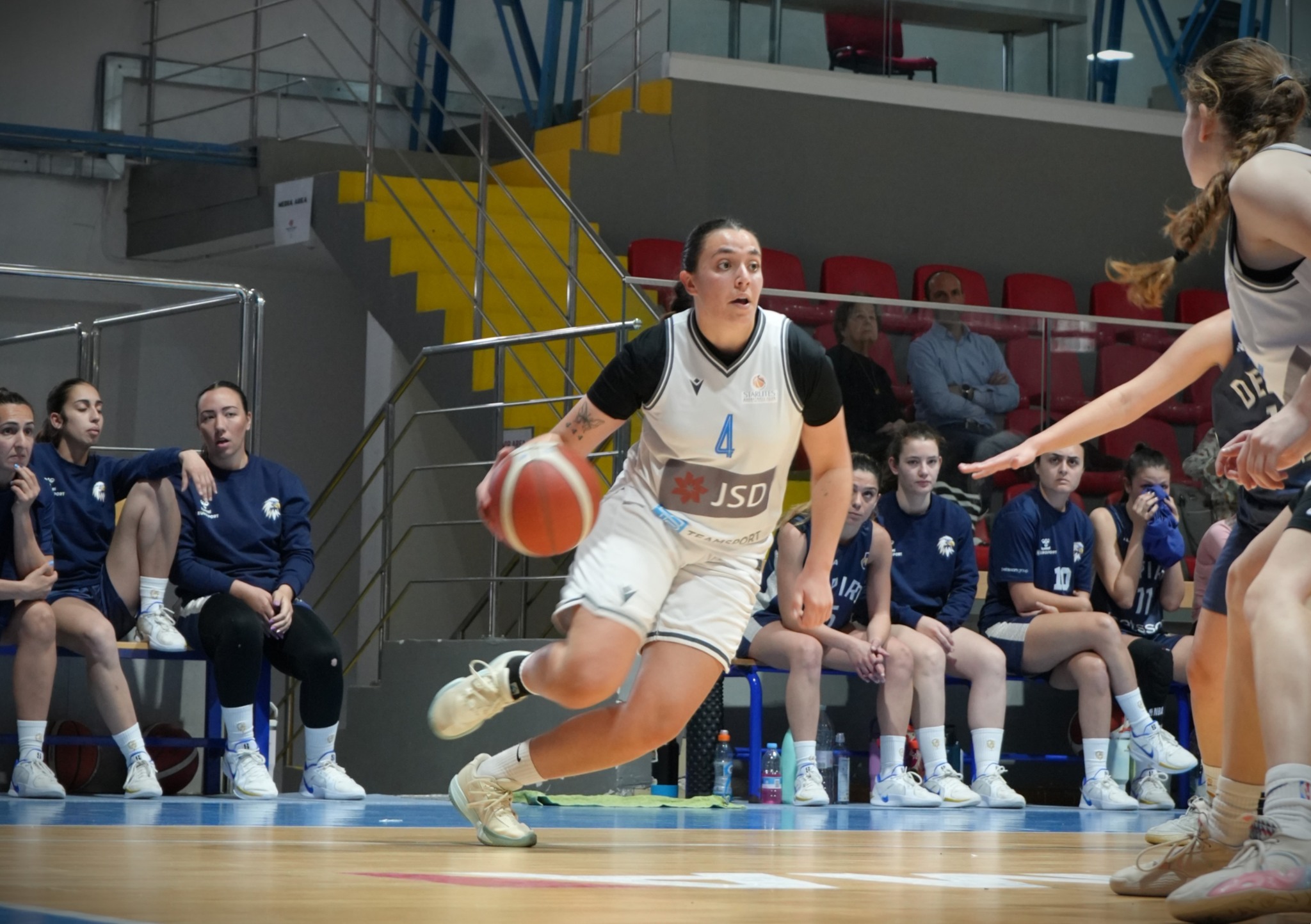
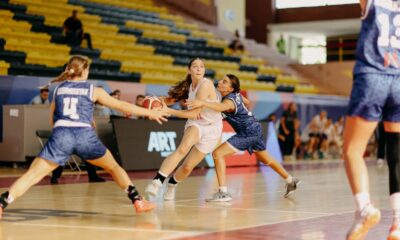
When I had the opportunity to lead an under‑14 girls basketball team, I tried to build that environment from day one.
We start by making the court a safe place to try, fail, and try again.
We break skills into simple steps, then add pressure only when the first step is secure.
We pair technique with decision-making, so drills look and feel like the game: catch on two feet, scan, make a choice in half a second, drive, pass, or shoot.
The goal isn’t highlighting plays. It’s building strong habits. The outcome is measurable in both performance and confidence: better decision-making, improved movement, and a stronger sense of belonging within the squad.
My coaching style sits on two pillars, sport science and cognitive science, because performance is never just physical.
I studied Sports Coaching (BSc)atLoughborough University, supported by the Malta Sports Scholarship Scheme.
There I fell in love with the details: how the hips load before a change of direction; how the wrist and fingers shape a shot; how better mechanics can prevent injury. Now back in Malta, I’m finalising my MSc in Cognitive Science at the University of Malta, where my thesis research focuses on how players manage overthinking.
Worry and rumination aren’t fixed traits; they’re patterns we can train. Simple routines, clear cues, and the way we interpret feedback matter.
Biomechanics helps me identify efficient movement patterns and reduce injury risk, while cognitive strategies target how a player thinks under pressure.
In practice, that means breaking skills into clear, achievable steps, increasing complexity only as confidence grows, and using simple cues that players can rely on when the game speeds up. It’s not flashy work, but it builds durable habits, and for young athletes, that translates into enjoyment as much as performance.
In practice, this looks like: one cue per action (“snap the wrist,” “land on two”), a consistent pre-shot routine to quiet noise, and small-sided games that force clear reads.
We track progress in plain language: “Today you looked up before you dribbled,” “You took the first open shot,” “You fought over that screen.” Those are behaviours athletes can repeat under pressure.
They also build something just as important as skill: a sturdy self-belief that isn’t dependent on likes or comments.
To parents reading this: your role is bigger than you think. Sport is not just exercise; it’s training for life.
The court gives your child a place to belong, friends to grow with, and adults who hold them to standards that are about effort and honesty. It teaches patience, because skills arrive slowly.
It teaches resilience because mistakes happen publicly.
And it teaches respect, because you can’t play this game alone. If you can, help with the basics: sleep, breakfast, showing up on time, and yes, putting the phone away before training. Those small choices make big differences.
Coaching has reinforced something I already believed: development is never purely physical.
It is shaped by language, environment and the meanings we attach to success and failure.
As coaches, we have a responsibility to design practices that teach both the body and the mind, and to foster team cultures where effort and curiosity are celebrated.
Combining playing experience, academic rigour, and hands‑on coaching, I aim to bring evidence‑based solutions back to grassroots sport in Malta.
My coaching development is about making the next generation of players more skillful, more confident, and more at ease with the game, so that when they step on court they play freely, think clearly, and enjoy every minute of it.